Last updated November 23, 2026
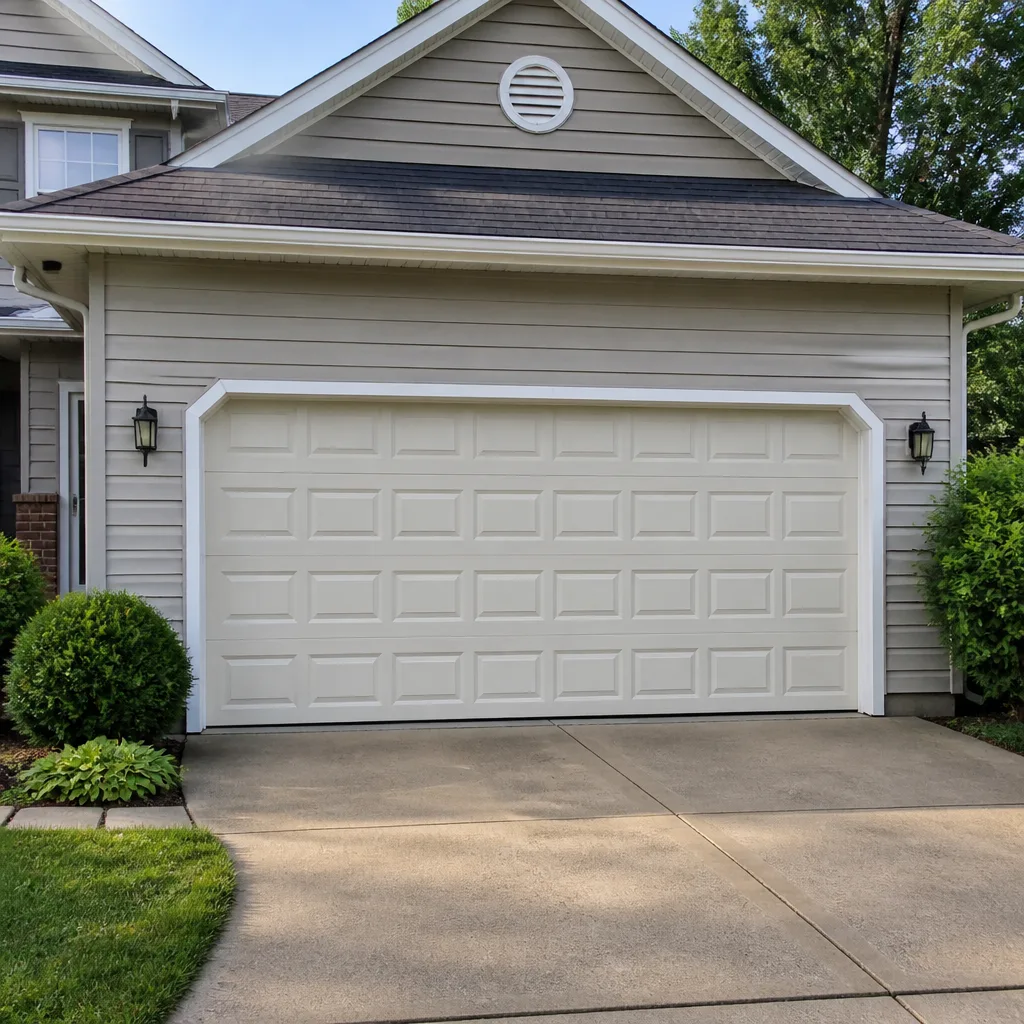 Raised-panel steel
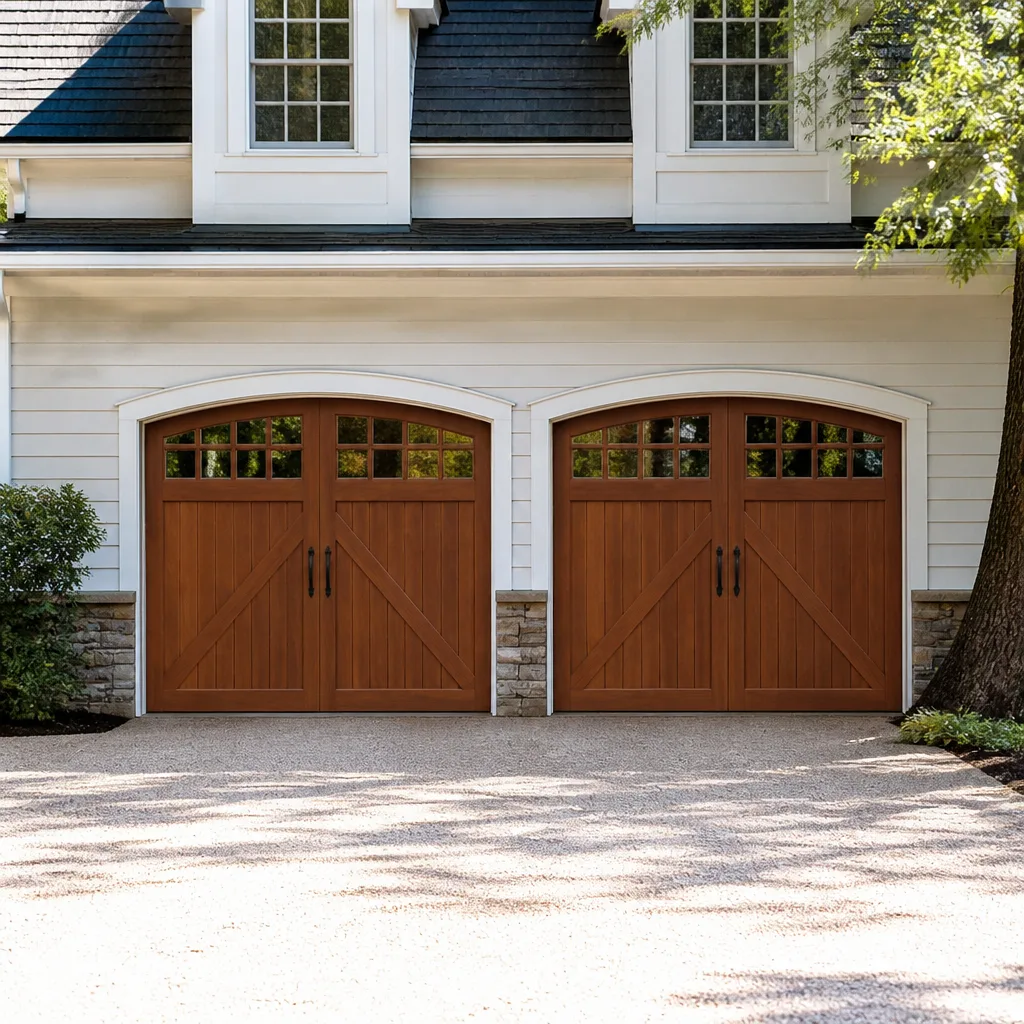 Carriage house
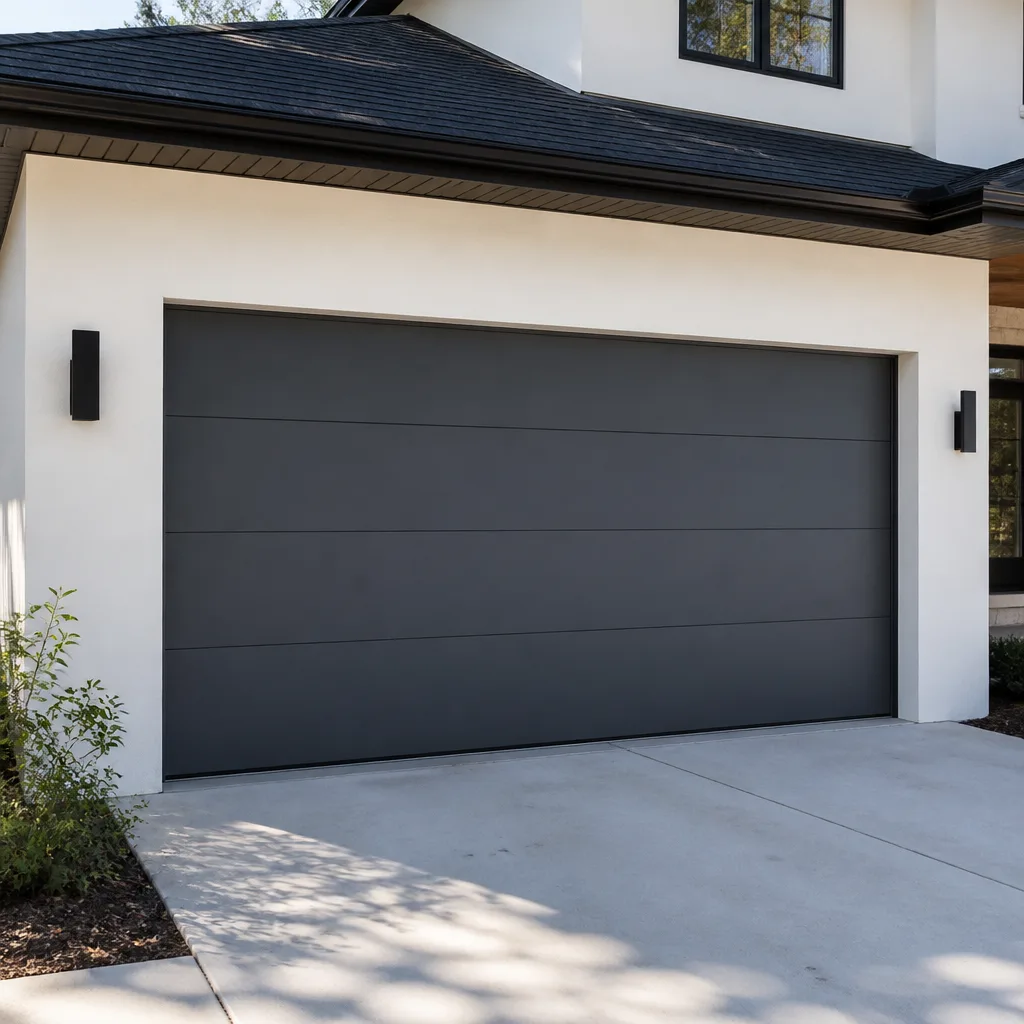 Modern flush
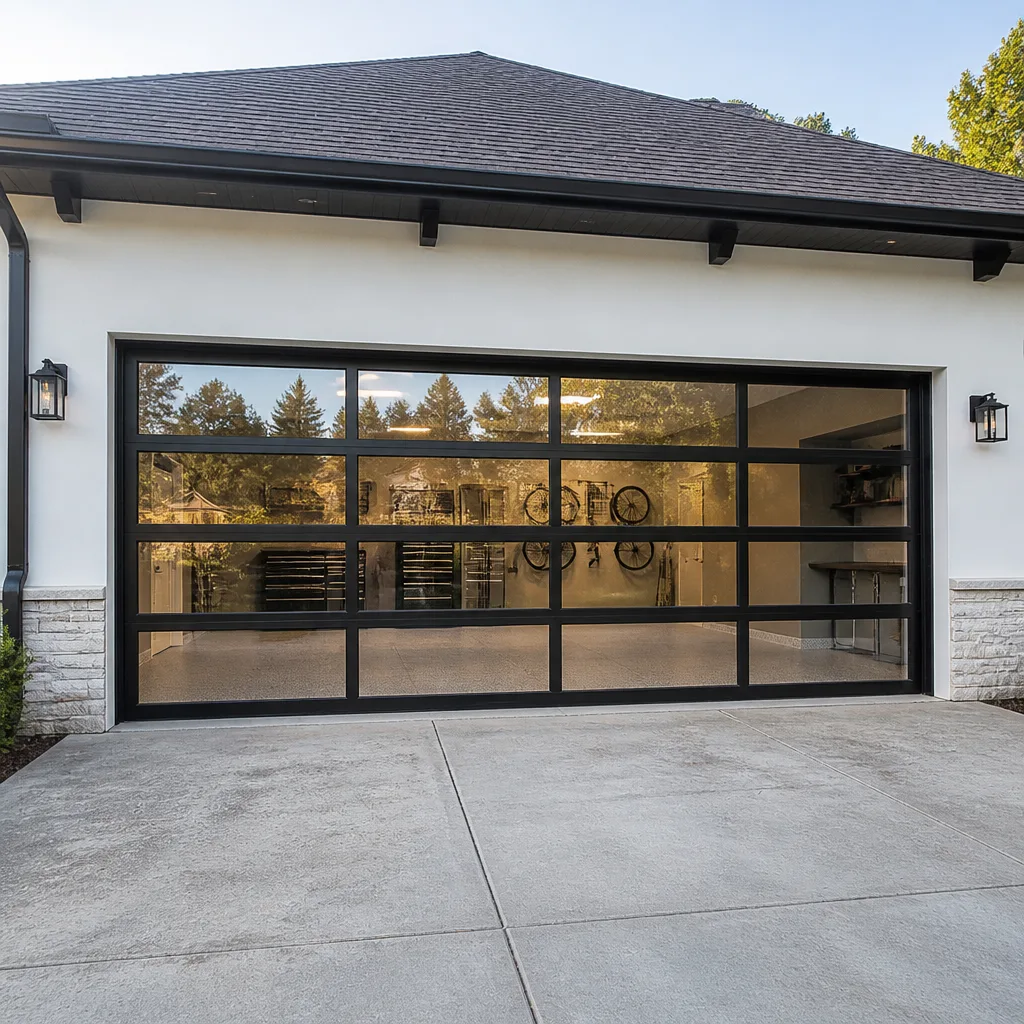 Full-view glass
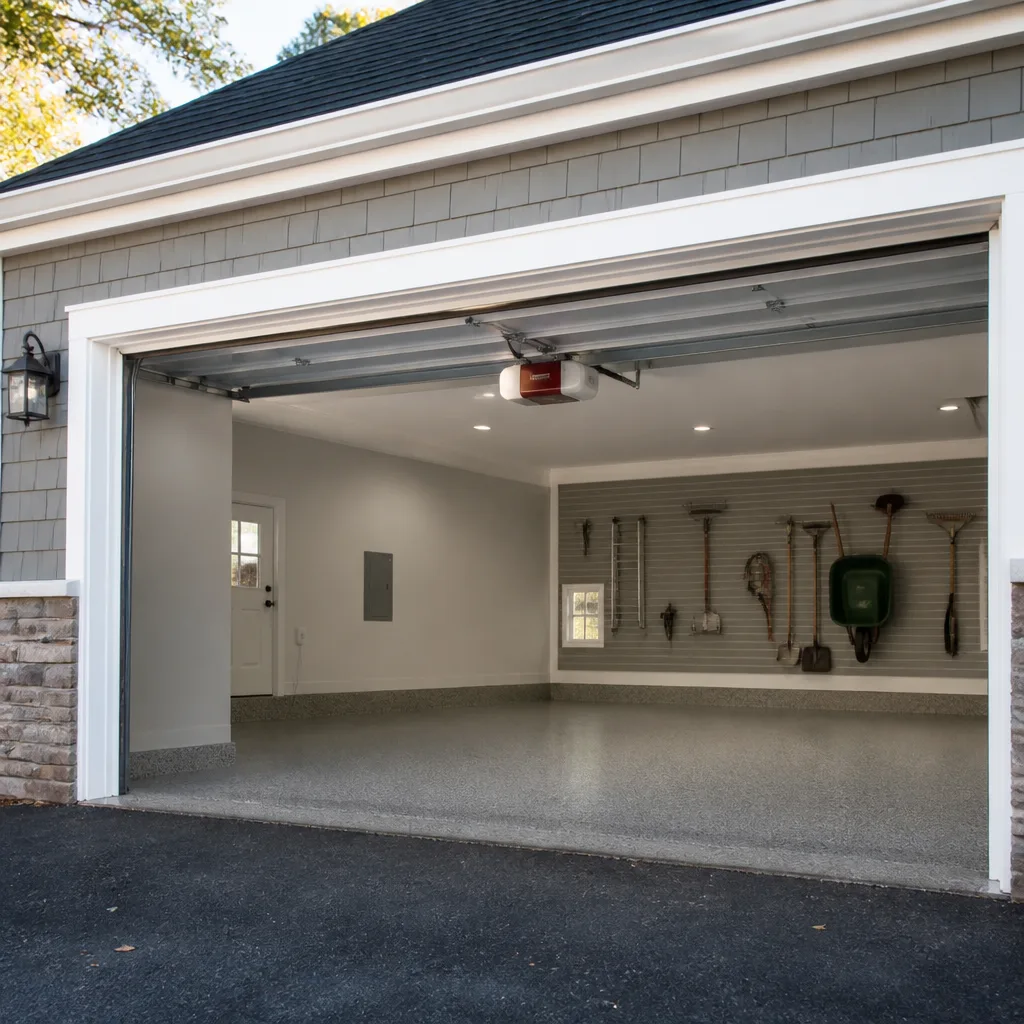 LiftMaster openers
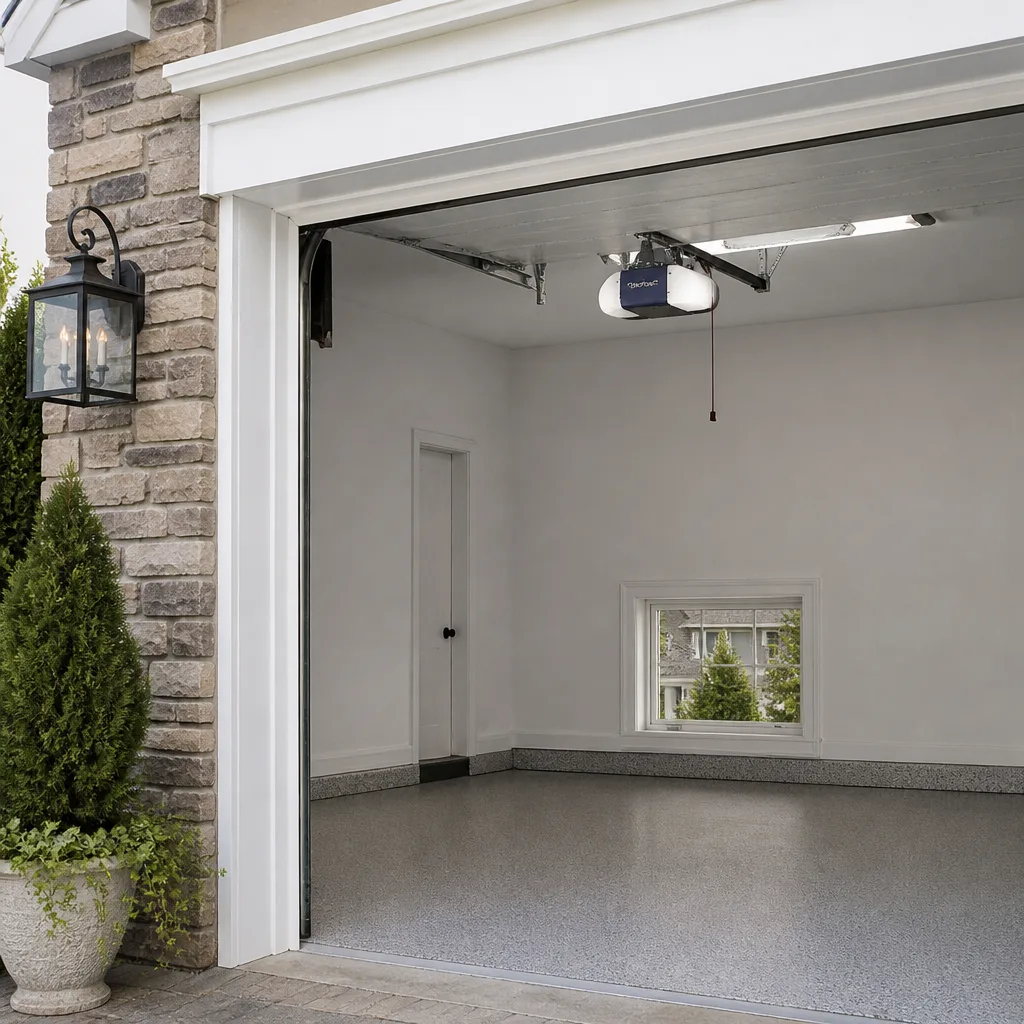 Chamberlain openers
Full 25-point door and opener safety check with every visit - springs, cables, rollers, tracks, and your LiftMaster or Chamberlain opener included
You get a price before we start. It does not change when the pro arrives.
Get your free estimateDIY vs Professional Garage Door: The Midtown Homeowner’s Decision Guide
Most homeowners approach the DIY question by asking how hard a repair looks. That’s the wrong question. A wound torsion spring holds roughly 100 foot-pounds of torque, and that single fact splits the entire subject in two: work that carries stored mechanical energy under tension, and work that doesn’t. Everything else – your skill level, your tool collection, the video you watched last night – is secondary. Get the line right and you can safely handle a surprising amount of garage door maintenance yourself while knowing precisely where you must stop. This guide draws that line for Midtown homeowners, from the easy jobs to the cost math and the older-building quirks that make local garages different.
Quick Answer
You can safely DIY lubrication, bottom seal and weatherstripping replacement, photo-eye alignment, and remote reprogramming. You should never DIY torsion springs, extension springs, cables, or anything that requires releasing spring tension – those parts store enough energy to injure you, and they’re the most commonly mishandled repairs in the trade. For anything involving tension or a door off its tracks, call a professional.
Styles & brands we work with
- Raised-panel steel
- Carriage house
- Modern flush
- Full-view glass
- LiftMaster openers
- Chamberlain openers
Table of Contents
- Why Spring Tension Changes the Whole Decision
- What’s Genuinely Safe to DIY
- What’s Never Worth DIYing
- How to Do the DIY Cost Math Honestly
- Midtown-Specific Complications
- What a YouTube Tutorial Skips
- Common Mistakes to Avoid
- When to Call a Professional
Why Spring Tension Changes the Whole Decision
A typical residential door weighs somewhere around 130 to 250 pounds. You lift it with one hand because a spring is doing almost all the work, counterbalancing the door’s weight so the opener only has to nudge it along. That’s the whole point of the spring. It’s also the reason it’s dangerous.
When a torsion spring is wound during installation, it’s loaded with roughly 100 foot-pounds of torque. A foot-pound is the energy it takes to lift one pound one foot – multiply that out and you’re looking at a component that can release stored force in a fraction of a second when a cable slips or a winding bar jumps. Extension springs are the older design and store the same energy along the side of the door rather than above it. Both types can hurt you before your hand knows what happened.
Every other repair on a garage door is a mechanical assembly task. Adjust a bracket, align a sensor, thread a bolt. The risk is a pinched finger or a scratched panel. Spring and cable work is a tension-release task, and the risk is a hospital visit. That’s the difference that matters, and it’s why the DIY-versus-professional question is really a which-task question.
If your spring has already let go – you’ll know, the door feels bottom-heavy and won’t stay up – a trained technician can handle the tension safely and quickly. Our technicians have up to 14 years of experience, and spring work is a named specialty for a reason. If you want the repair handled, we’re here for garage door repair throughout the area.
What’s Genuinely Safe to DIY
Plenty of garage door upkeep is straightforward for a careful homeowner with basic tools. These jobs don’t involve spring tension, cable load, or high-voltage wiring, and if you make a mistake you can usually correct it without injury. Here’s the list we’d give a friend:
- Bottom seal replacement. The rubber seal at the base of the door keeps weather and pests out. It slides out of a track or pulls off a retainer and slides back on. No tension involved.
- Weatherstripping around the frame. The perimeter seal that runs down the jambs and across the header is real weatherstripping and saves on heating and cooling in Midtown’s humid summers and cool winters. It’s a cut-to-length job with a utility knife.
- Photo-eye alignment. The two small sensors near the floor on either side of the opening need to see each other. If the door reverses immediately, a bumped or dirty sensor is the first thing to check. Wipe the lenses, nudge them back into line, confirm the indicator light is solid.
- Lubrication. A few drops of garage door lubricant on the hinges, rollers, and tracks keeps things quiet. Don’t use cooking spray or heavy grease – they attract grit.
- Remote and keypad reprogramming. When you change codes or add a remote, that’s a control-panel task, not a mechanical one. Manuals cover it in a page or two.
- Track wiping. A clean, dry cloth on the inside of the track removes the grit that causes stuttering. Don’t lubricate the tracks themselves.
These are the tasks where doing it yourself genuinely saves money and gives you a better feel for your door. If a repair on this list turns into something bigger, that’s the moment to stop and reassess.
What’s Never Worth DIYing
This is where the line hardens. The following repairs involve stored energy or cable load, and the risk isn’t a disclaimer – it’s physics. We’ve seen what happens when a spring lets go unexpectedly, and it happens faster than any YouTube video can prepare you for.
- Torsion spring replacement. The spring above the door center holds the winding. Replacing it means unloading and reloading tension with winding bars, which must be done in a precise sequence. A slip sends a bar flying. This is not a task to attempt without training.
- Extension spring replacement. Older doors sometimes use springs along the upper tracks. They store the same energy and require safe containment hardware when replaced.
- Cable replacement or adjustment. Cables are under load and can snap. A loose cable that releases while you’re handling it is a cutting hazard.
- Anything requiring the door to be lifted off its tracks or re-tracked. A door that comes out of its tracks is heavy and unbalanced. Restoring it safely takes two people who know how.
- Panel replacement on a tensioned door. Swapping a damaged section means dealing with the spring load while the door is partially apart.
- Opener wiring to the panel and high-voltage connections. Low-voltage control wiring is manageable; anything touching your home’s electrical supply is not.
None of this is about questioning your competence. It’s about the difference between a task that can pinch you and a task that can injure you. That’s why garage door opener repair and spring work belong with someone trained for the tension, and it’s why we treat spring repair as its own specialty rather than a line item on a general handout.
How to Do the DIY Cost Math Honestly
Homeowners usually compare a professional’s quote to the price of the part on a shelf. That comparison is misleading, because it leaves out three real costs: the correct tools, the risk of buying the wrong part, and what it costs to correct a job that went sideways. Here’s how to run the numbers properly.
Step one: price the correct tools. A spring job needs winding bars, which are specific tools, and the correct part for your door’s weight and drum. That’s often $40 to $120 in tooling alone, before the part.
Step two: add the sizing risk. Springs are matched to door weight and number of cycles. Buy the wrong size and the door strains the opener, or the spring fails early. That’s a wasted part and a repeat job.
Step three: price the correction. If a cable snaps or a spring is misloaded, the correction is a professional call anyway – now on a partially disassembled door. The worst-case outcome is the original repair plus a fix.
Run the math on a job like a bottom seal or weatherstripping and DIY wins easily: the part is cheap, the tools are a knife and a screwdriver, and the correction risk is near zero. Run it on a spring replacement and the equation flips. If you’re not sure which bucket a job falls into, that’s the right time to ask for a free estimate rather than guess.
Where a repair turns into a replacement conversation, our garage door installation service covers the same technicians, so you’re not hunting for a second company mid-project.
Midtown-Specific Complications
Midtown’s housing stock throws a few curveballs at DIY plans. Many of the neighborhood’s older homes were built to rough openings that don’t match modern standard sizes. Doors were trimmed to fit on site, and the framing around them can be irregular. When you call for a part, the standard measurement on a spec sheet may not be what you’re actually working with.
Converted carriage houses add a second wrinkle. A door that was originally built for a carriage opening or a shed was never designed to the same tolerances as a modern two-car garage. The tracks might be shorter, the headroom lower, and the spring geometry non-standard. Buying off the shelf and expecting a fit is risky.
Mixed-brand systems are common too. A door installed by one company, an opener added later, and a spring replaced by whoever came last. Brands like Clopay and Amarr on the door and a Craftsman or Wayne Dalton opener under the ceiling are entirely normal here. The trouble is that parts substitution across brands doesn’t always work, so matching a replacement means cross-referencing manufacturer specs rather than grabbing the closest match.
Midtown’s humidity matters as well. It’s hard on seals and weatherstripping, which degrade faster than they would in a drier climate, so those DIY jobs come around more often. It also stresses openers and hinges over time. None of this makes DIY impossible, but it does mean the fit-first, measure-twice approach matters more here than in a subdivision where every garage was built to the same drawing. For help with any of it, our team handles Garage Door Repair Midtown for local homeowners, and we’ve worked the brand already in the garage.
We service LiftMaster, Chamberlain, Genie, Clopay, Amarr, Wayne Dalton, Craftsman, and Raynor equipment, which means a mixed-brand Midtown setup is the norm for us rather than the exception.
What a YouTube Tutorial Skips
A good tutorial gets you through the mechanical sequence. It won’t tell you whether the door is safe to work on in the first place, and that’s the step most videos skip entirely: physical diagnosis.
Diagnosis is the two minutes where a trained tech looks at the whole system before touching a bolt. Here’s what that covers:
- Balance check. With the opener disconnected, the door should hold roughly mid-height. If it drops or rises on its own, the spring tension is wrong.
- Cable condition. Frayed strands on the drums or hanging cable mean do not run the opener. Replacements are needed.
- Track and roller wear. Rollers that are worn, or tracks that are out of square, change how the door travels and add stress to the opener.
- Spring age and type. A torsion versus extension setup needs different parts, and a spring that’s near the end of its cycle life is a candidate for replacement even if it hasn’t failed.
- Door weight and balance. A door that’s heavier than it should be is a sign the springs or hinge points are under strain.
A video assumes your hardware is the same as the one on screen. It usually isn’t. A trained technician can match the diagnosis to your actual door, whether that’s a Clopay panel or a Wayne Dalton opener, and skip straight to the fix that’s needed rather than the fix a tutorial was designed around.
Common Mistakes to Avoid
- Trying to wind a spring with two screwdrivers. The bars a spring job requires are specific tools with a specific fit. Screwdrivers slip, and a slipped bar is a serious injury. Don’t improvise the tools for a tension job.
- Buying a spring by generic size. Springs are matched to door weight and cycles. An incorrect size strains the opener and wears out early, so measure and match the exact part.
- Lubricating the tracks. It feels like maintenance, but grease on the tracks collects grit and makes the door run worse. Lubricate the moving parts, not the track surface.
- Ignoring a door that’s out of balance. If the door won’t hold mid-height, the springs are the likely cause. Stop running the opener until it’s checked – continuing to operate it wears the mechanism further.
- Forcing a door that’s off its tracks. A door that’s come out of the track is heavy and unpredictable. Pushing it back into place is how panels crack and people get hurt.
- Assuming a part fits a Midtown rough opening because it’s the standard size. Older homes here were often trimmed on site, so measure the actual opening before ordering.
- Skipping the photo-eye test after any repair. The safety reverse is the last thing to confirm, not the first thing to forget. Before you close the door for the day, test that it reverses when something blocks the sensor.
Most of these mistakes come from treating a garage door like a piece of furniture. It’s a tensioned, counterbalanced machine. Respect that and the DIY work goes well.
When to Call a Professional
Call a professional when the job touches spring tension, cable load, or re-tracking a door that’s come out of its tracks. Call if the door won’t open at all, if the opener runs but the door doesn’t move, or if the door reverses and won’t stay closed. Those are the high-stress failures where a quick diagnosis saves a lot of grief. Call if the door is unbalanced, if you hear a loud bang followed by a limp door, or if you’re not sure what you’re looking at. And call if you’re planning a new door, since a proper measure and a written price beat a guess every time.
Garage Door Repair Midtown offers free estimates in Midtown – call (833) 700-6163. We can work with your insurer where that’s relevant, and we quote the price before any work starts, so the written estimate is the price you’ll see on the invoice.
See the difference
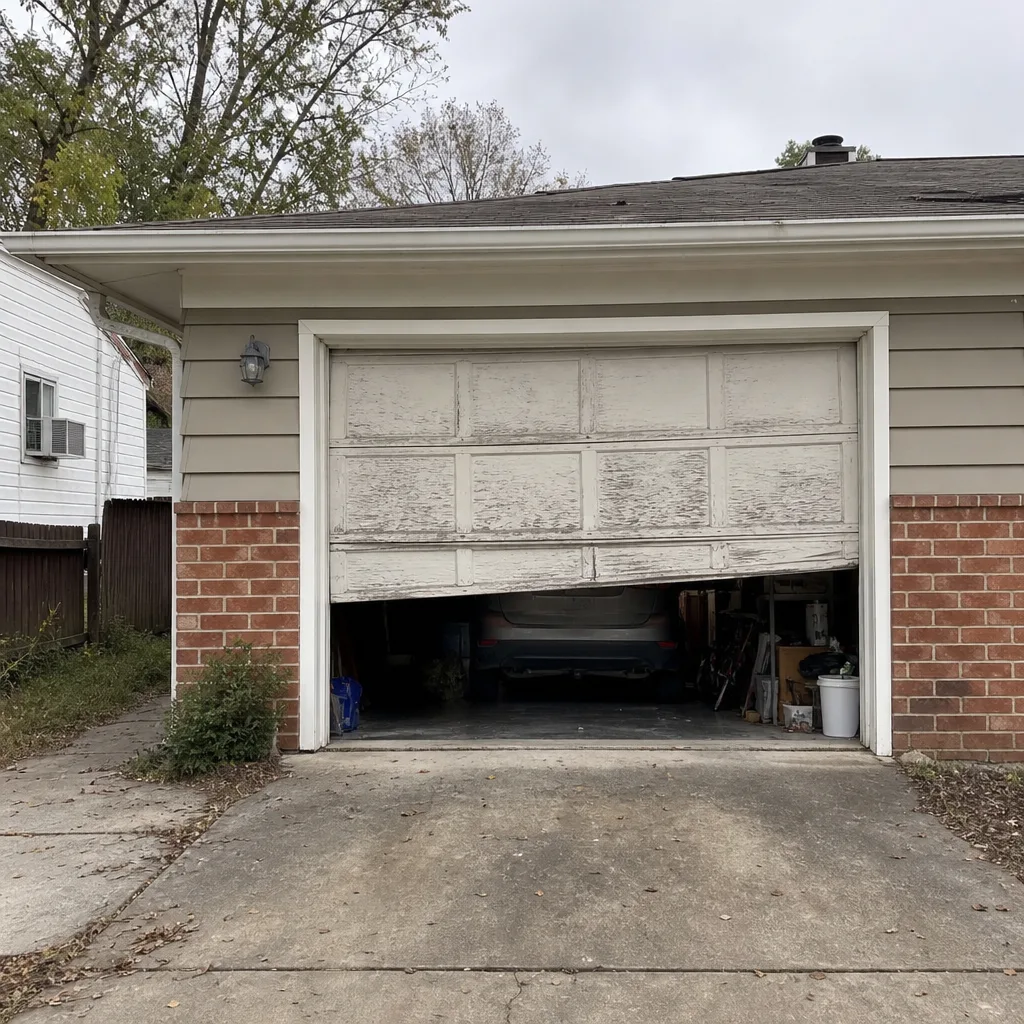 Before
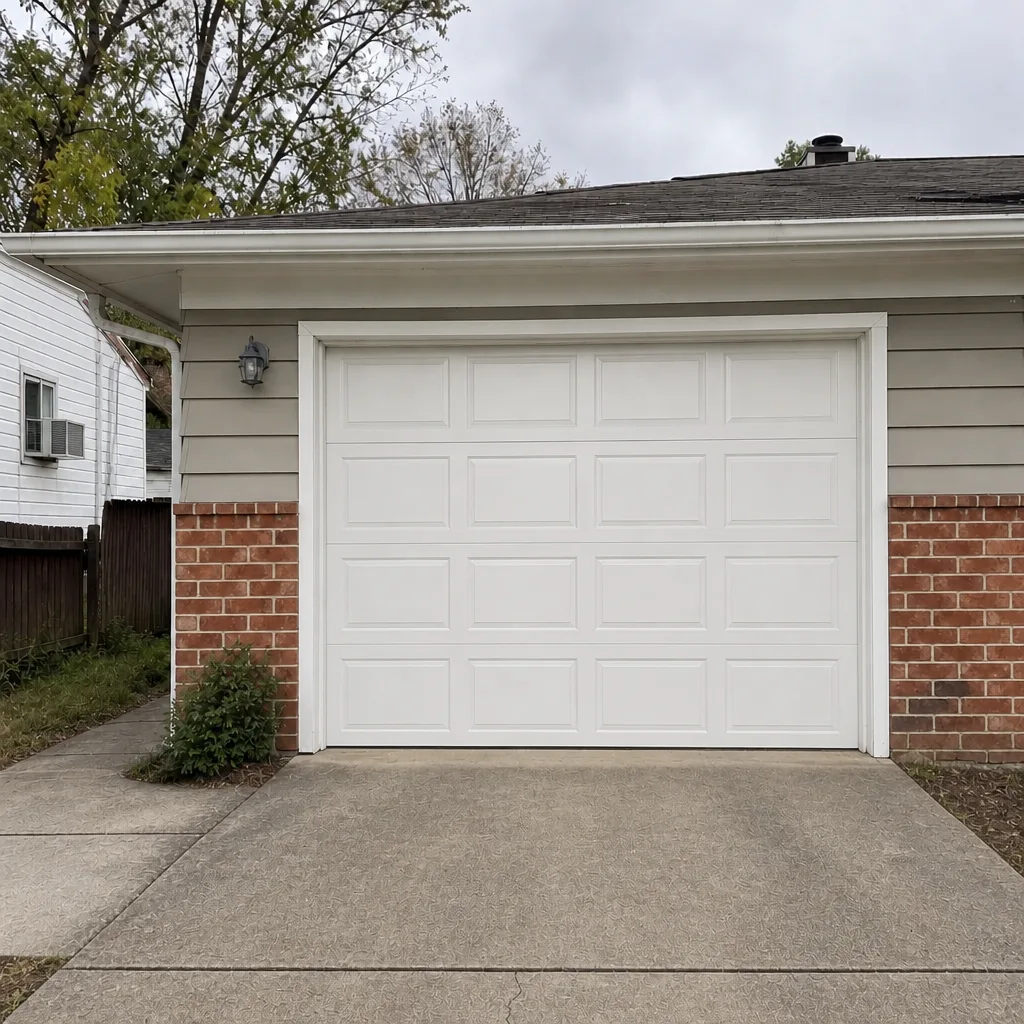 After
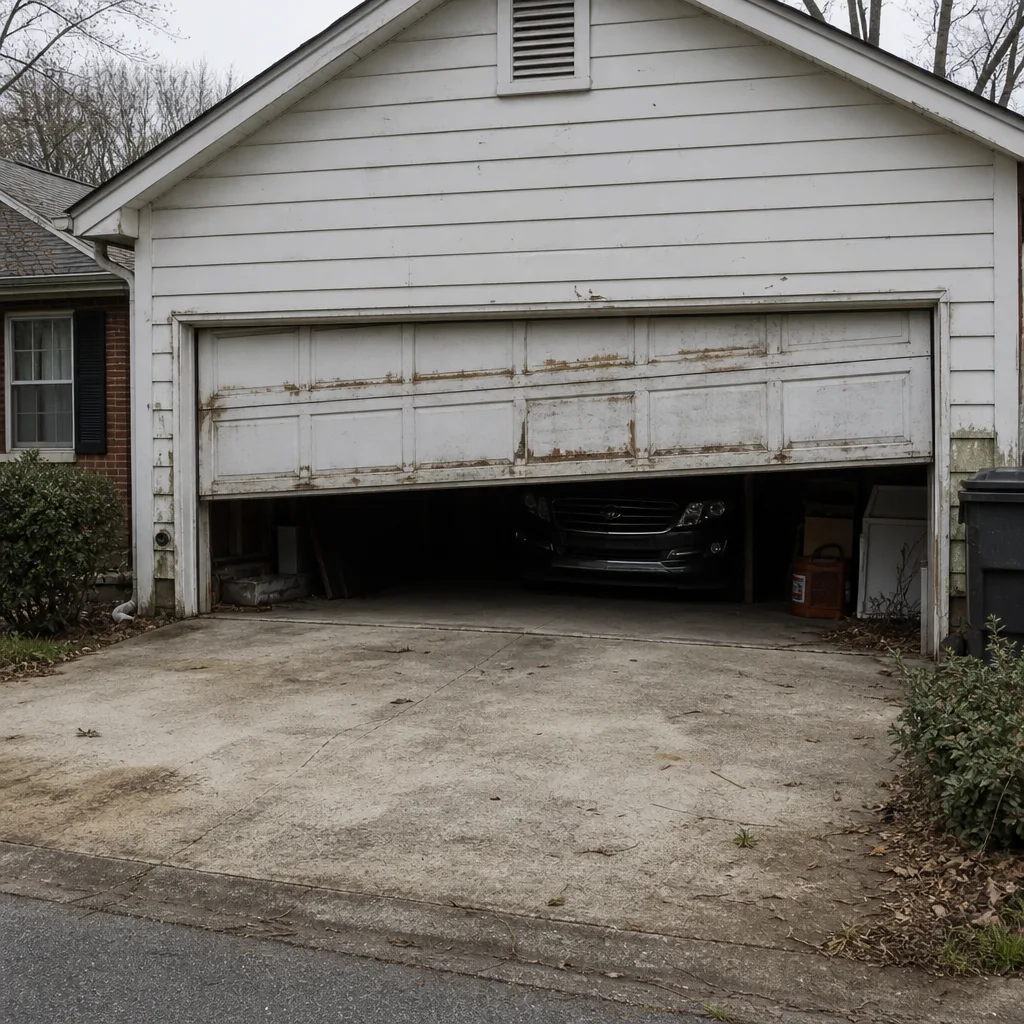 Before
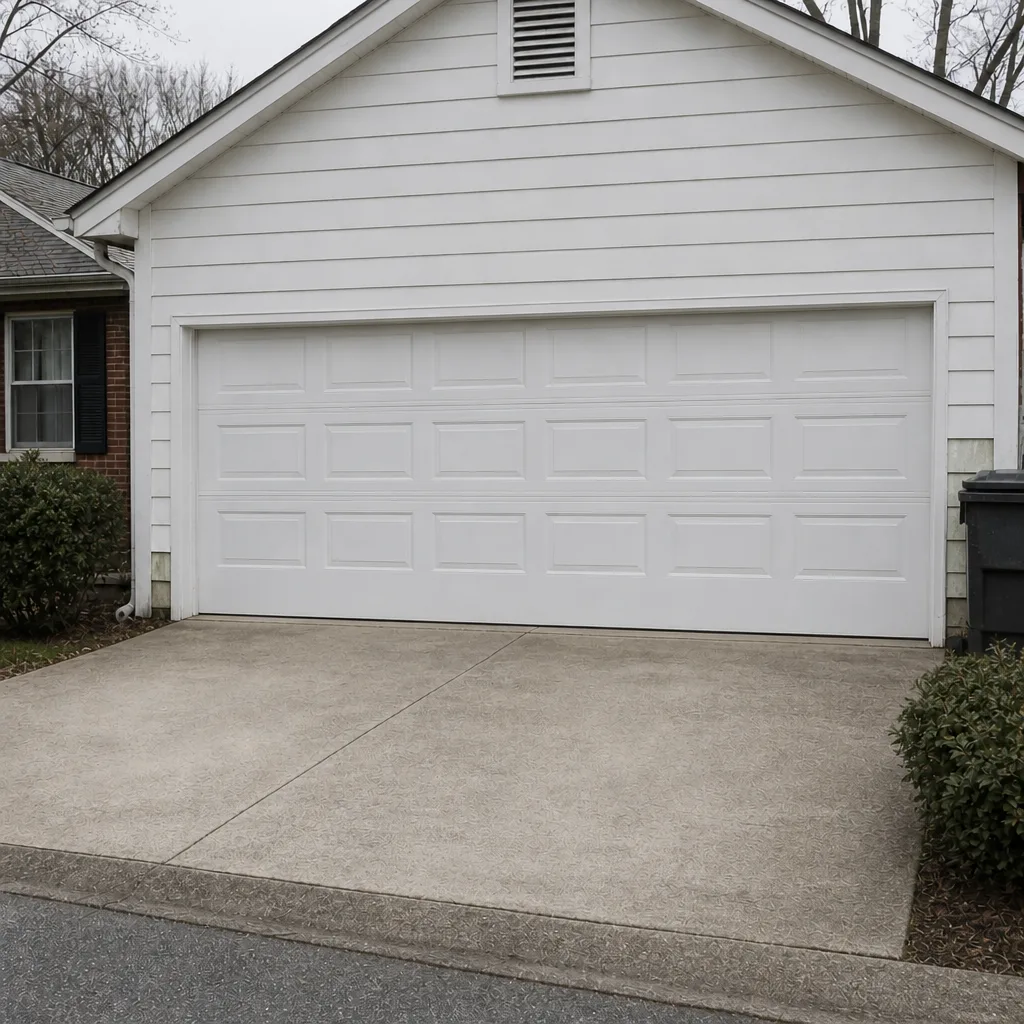 After
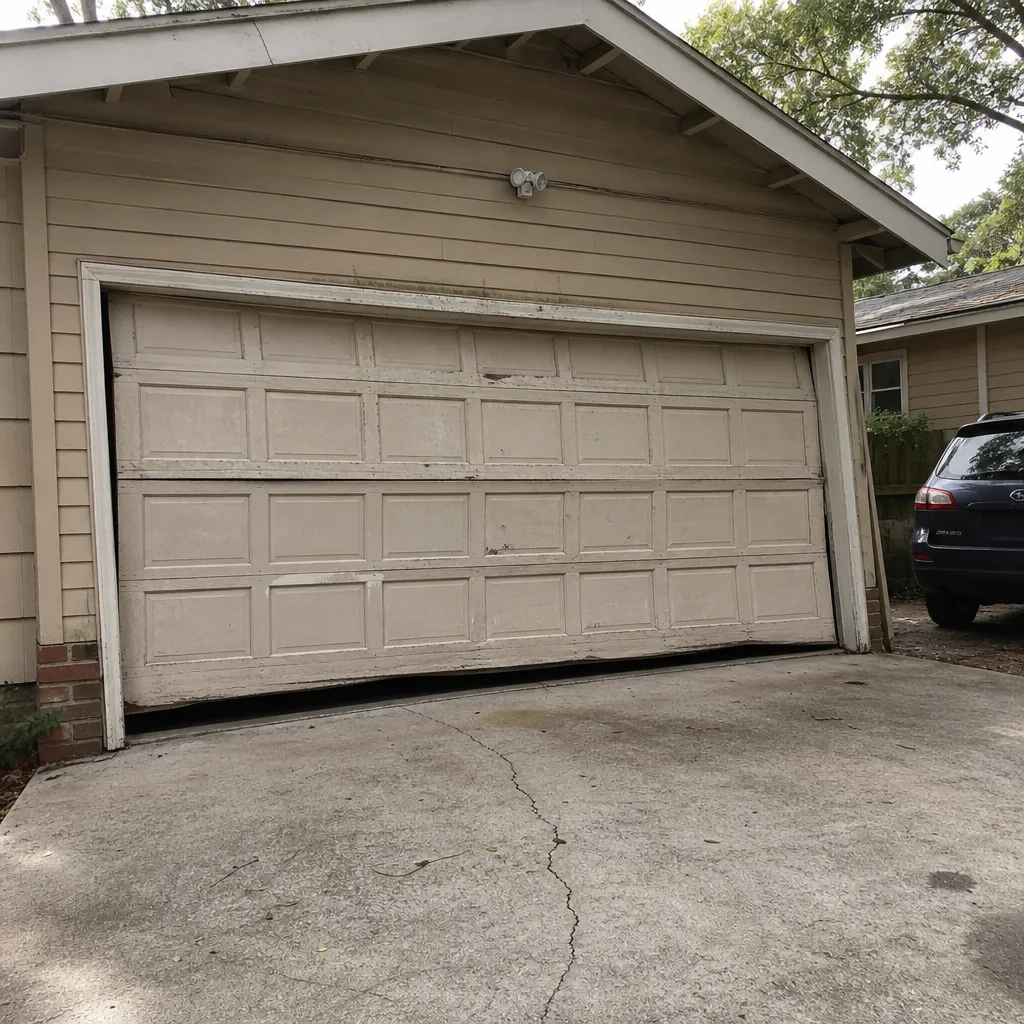 Before
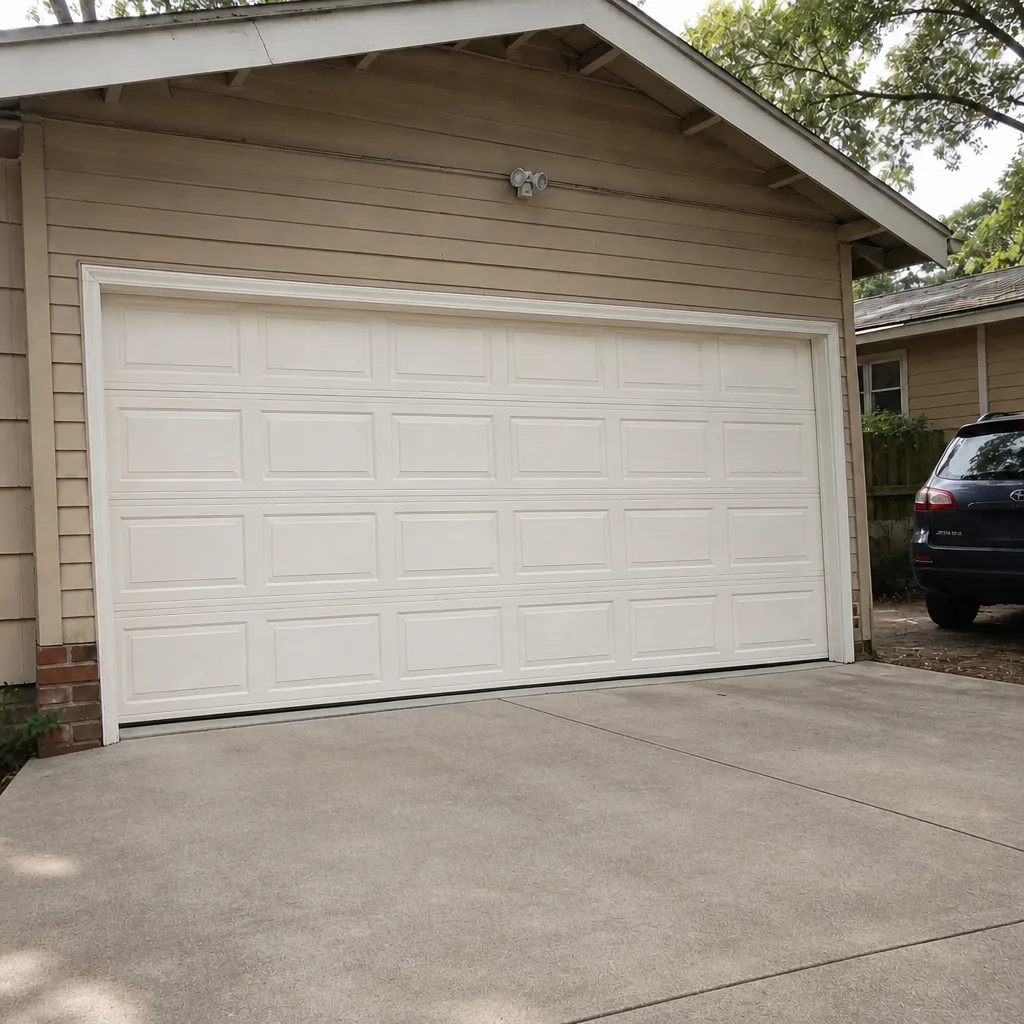 After
Frequently Asked Questions
No. A torsion or extension spring stores enough energy to injure you badly when it releases, and replacing one requires specific tools and a precise sequence. This is the single clearest case for calling a professional. Call (833) 700-6163 for spring repair – estimates are free.
Lubrication, bottom seal replacement, weatherstripping, photo-eye alignment, and remote reprogramming are all safe DIY tasks because they don’t involve spring tension or cable load. Track wiping is fine too. Anything that touches the springs, cables, or re-tracking is a professional job.
No. We quote the price before any work starts, and the written estimate is what you pay. If the diagnosis reveals something extra, we’ll explain it and get your agreement before proceeding. Call (833) 700-6163 for a free estimate.
The local pro we connect you with is licensed and insured as their state requires. Our technicians have up to 14 years of experience, and spring repair is a dedicated specialty rather than a workaround.
Most standard repairs are handled in a single visit, with spring and opener work among the most common jobs. Emergency situations get priority because a non-functional door is a security problem. Call (833) 700-6163 to book.
Yes, for urgent failures. A door that won’t open, a car trapped inside, or a home left unsecured are exactly the situations emergency service exists for. Call (833) 700-6163 and we’ll get you booked for same-day service where possible.
In most cases, yes. We service LiftMaster, Chamberlain, Genie, Clopay, Amarr, Wayne Dalton, Craftsman, and Raynor equipment, so a mixed-brand Midtown garage is routine for us. Call (833) 700-6163 if you want to confirm your specific model.
Many cities require a permit for a garage door replacement, so ask your city’s building department about the rules that apply to your address. We can walk you through what’s involved before any work is scheduled.
The Bottom Line
The DIY-versus-professional question comes down to stored energy. Lubrication, seals, weatherstripping, photo-eyes, and remote programming are safe for a handy homeowner and worth doing yourself. Springs, cables, re-tracking, and anything touching your electrical panel are not, regardless of how many videos you’ve watched. Midtown’s older rough openings, converted carriage houses, and mixed-brand systems make measurement and diagnosis more important here than a generic guide suggests. When in doubt, get a free estimate. The safe jobs are yours; the tension jobs are ours. Call (833) 700-6163 to book.
Contact
If a repair has crossed from “I can handle this” into “call someone,” we’re ready to help. Garage Door Repair Midtown handles spring repair, opener repair, emergency service, and full installation across the brands already in local garages. Call (833) 700-6163 for a free estimate, and we’ll quote the price before any work starts.
Written by the team at Garage Door Repair Midtown.