Last updated November 23, 2026
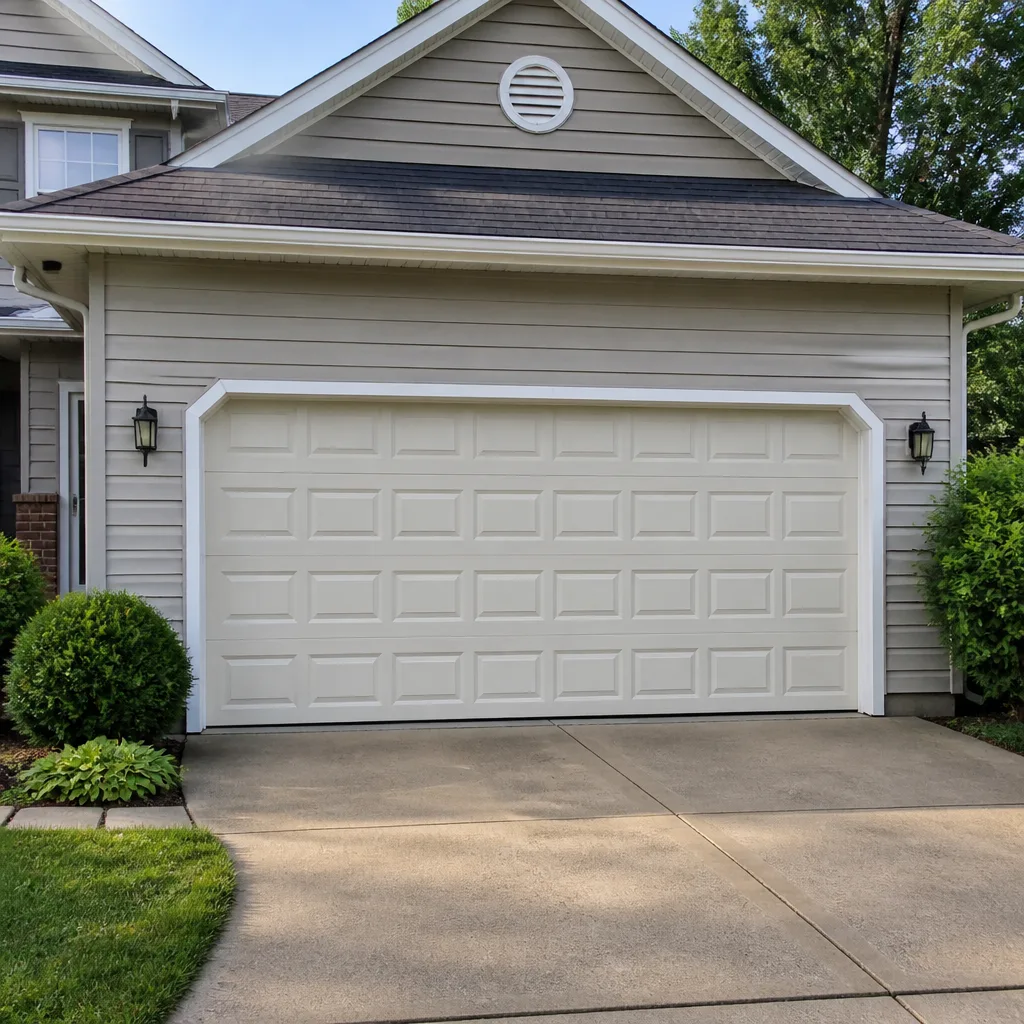 Raised-panel steel
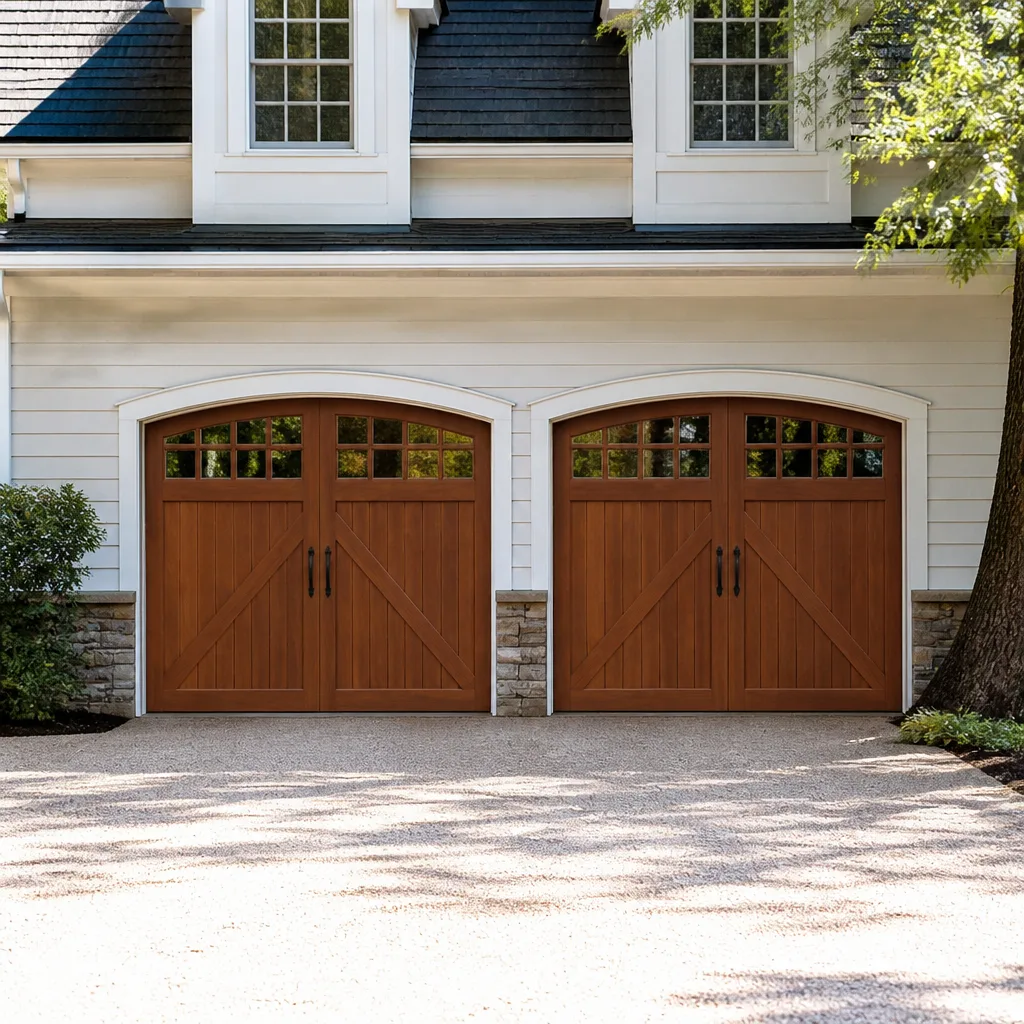 Carriage house
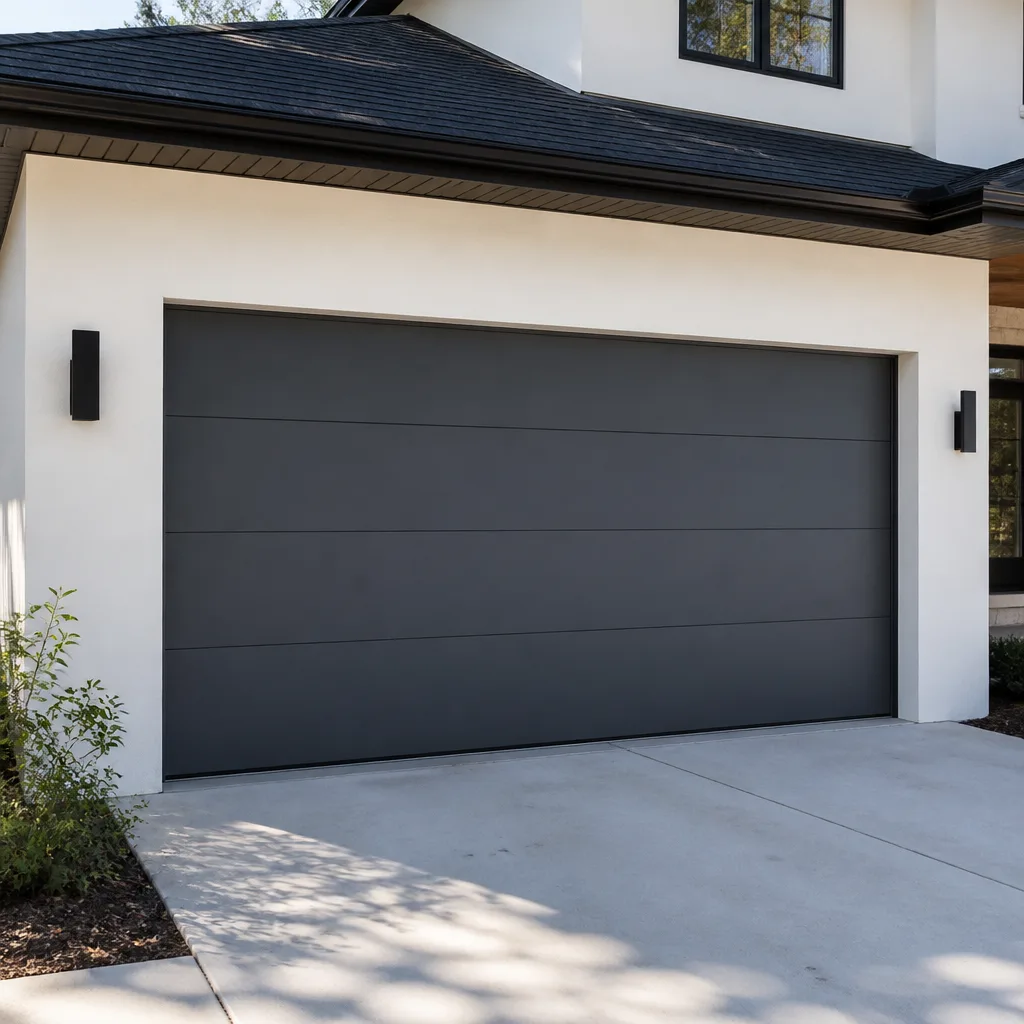 Modern flush
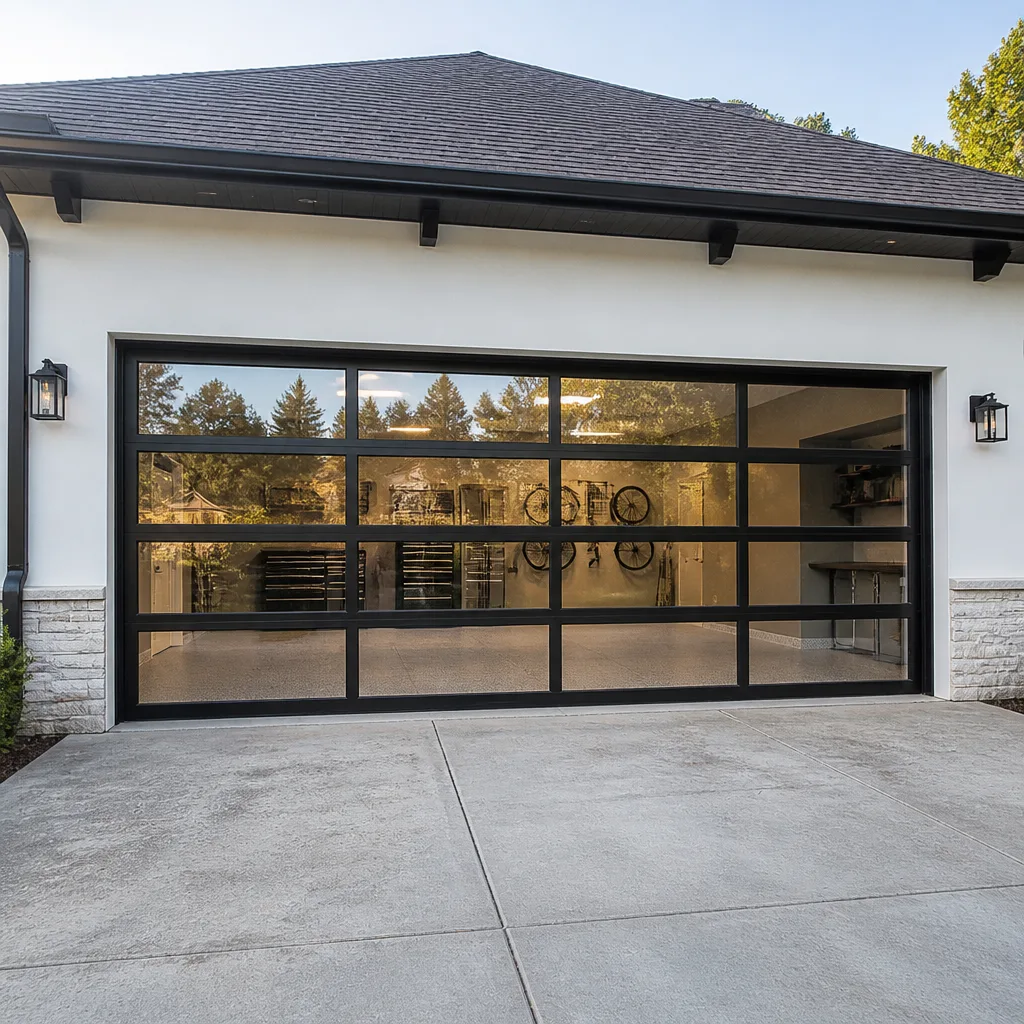 Full-view glass
 LiftMaster openers
 Chamberlain openers
Full 25-point door and opener safety check with every visit - springs, cables, rollers, tracks, and your LiftMaster or Chamberlain opener included
You get a price before we start. It does not change when the pro arrives.
Get your free estimateGarage Door Permits, Codes & Inspections in Midtown, GA: What You Need to Know
Most Midtown homeowners assume a garage door is like a front door: buy it, hang it, done. It isn’t. A full door replacement on a structure attached to a residence can trigger a City of Atlanta building permit, and skipping that permit creates a title and sale problem as much as a safety one. Unpermitted work surfaces at closing, during a refinance, or after a claim, and the fix runs through a retroactive inspection that can stall a sale for weeks. In this guide we walk through exactly when a Midtown project crosses the permit line, how windload requirements shape door and hardware specs, what an inspection actually checks, and how unpermitted work gets remediated in Fulton County.
Quick Answer
In Midtown, a like-for-like garage door repair – same size, same opening, same hardware – usually does not need a City of Atlanta building permit, but a full door replacement on a garage attached to a residence can require one, and any project that modifies the rough opening, header, tracks, or structural framing does. Doors must meet windload requirements under DASMA 108, and the safest path is a call to the City of Atlanta’s building department before work starts so you know which category your project falls into.
Styles & brands we work with
- Raised-panel steel
- Carriage house
- Modern flush
- Full-view glass
- LiftMaster openers
- Chamberlain openers
Table of Contents
- Does a garage door replacement need a permit in Midtown, GA?
- How Atlanta windload requirements affect your door and hardware
- Permits for a door replacement vs. an opener on a new rough opening
- What a code-compliant installation inspection actually checks
- Why older Midtown homes fail inspections more often
- How unpermitted work gets flagged at sale or claim
- What remediation looks like in Fulton County
- The paperwork and records you should keep
Does a garage door replacement need a permit in Midtown, GA?
A garage door replacement needs a permit in Midtown when the work changes the structure or the opening; it generally does not when it is a true like-for-like swap. The dividing line is whether the job touches the building envelope, the framing, or the windload rating of the assembly. City of Atlanta building code treats a garage attached to a residence as part of the primary structure, so work that affects how that opening performs under wind pressure is reviewed, not waved through.
Here’s how we break it down for Midtown homeowners before any work begins:
- Usually exempt (repair): replacing a broken spring, cable, roller, hinge, or section of the same door; swapping a failed opener motor with the same mounting and wiring; adjusting tracks or rebalancing a door that has come out of alignment.
- Often requires a permit (replacement or structural): installing a new door of a different size, weight, or material; changing the header, jambs, or rough opening; adding or relocating tracks or reinforcement; converting a manual door to an opener on a new rough opening.
- Ask the city first: replacing an older door with a modern insulated model of the same nominal size, when the new door carries a different windload rating than the original. This is the gray zone where Midtown projects most often get caught, because the door “fits” but the assembly no longer matches what was originally approved.
We tell every Midtown customer the same thing: pull the permit paperwork before you pull the old door, not after. If you’re unsure which category you’re in, garage door repair and replacement are different scopes, and a quick conversation with the city’s building department will tell you which one your project sits in. When you’re ready to know what the work itself involves, call us for a free estimate and we’ll walk through it with you.
How Atlanta windload requirements affect your door and hardware
Atlanta windload requirements mean your garage door has to be rated and installed to resist the local design wind pressure, and that rating is what makes the door a code item rather than a cosmetic upgrade. DASMA 108 is the industry standard that defines how windload-rated doors and their hardware are tested and specified. In Midtown, that standard matters most for attached garages and for any door that faces an open exposure, because a door that fails under wind pressure doesn’t just break – it opens the building envelope.
What this means in practice for a Midtown door project:
- The door itself must carry a windload rating that matches the design pressure for the opening. Two doors of identical size can have wildly different ratings, and the cheaper one is often the unrated one.
- The hardware scales with the rating. Heavier-gauge hinges, reinforced struts, heavier track, and additional anchor points are all part of the rated assembly, not optional upgrades. A rated door hung on light-duty tracks is not a rated installation.
- The anchoring to the framing matters as much as the door. A proper installation ties the tracks and header into sound framing, which is exactly the part of older Midtown garages that most often needs attention.
- The installation has to match the manufacturer’s published instructions for that rated assembly. Any deviation – a different anchor spacing, a skipped strut – can void the rating even if the door itself is correct.
This is where brand familiarity saves a step. We work with doors from Clopay and Raynor and hardware from LiftMaster, Chamberlain, and Craftsman, and our technicians have up to 14 years of experience reading exactly these ratings and matching them to the opening. If you’re planning a replacement, garage door installation is the page to start with, because the door, hardware, and anchoring have to be specified as one assembly.
Permits for a door replacement vs. an opener on a new rough opening
Permits for a door replacement and permits for an opener installed on a new rough opening are two different animals, and Midtown homeowners regularly confuse them. A like-for-like opener swap – same unit, same mounting, same existing wiring and outlet – is maintenance. An opener that requires new framing, a new rough opening, a new electrical circuit, or a structural modification to the ceiling or header is construction, and construction gets reviewed.
The distinction comes down to what the work changes:
- Opener swap, no permit: the old opener comes off the existing rail and mount, the new one goes on. No new hole in the wall, no new circuit, no framing change. This is routine garage door opener repair territory, and it covers legacy chain-drive units as well as modern Wi-Fi and smart openers from LiftMaster, Chamberlain, Genie, and Craftsman.
- Opener on a new rough opening, permit likely: the garage previously had no opener, or the installation requires a new header, new framing for the rail, or an added electrical circuit. Anything that alters the structure or the electrical system is a separate scope from the door itself.
- Structural modification, permit required: widening the opening, raising the header, adding reinforcement, or changing the tracks in a way that alters the assembly. This is the category that most often gets skipped in Midtown and most often gets flagged later.
One practical note: opener installation and door installation are reviewed against different parts of the code, and a permit for one does not cover the other. If your project includes both, ask the city’s building department whether they want them filed together or separately. We’re happy to walk you through what we’d expect to see on each, because we’ve handled both sides of this on Midtown jobs.
What a code-compliant installation inspection actually checks
A code-compliant installation inspection checks that the door, hardware, and anchoring match the approved plans and the rated assembly, not just that the door goes up and down. In our experience, inspectors look at the installation as a system. The cosmetic result matters far less than whether the assembly can do its job under load and under wind pressure.
Here’s what a typical Midtown inspection covers:
- Door and hardware match the approved spec. The door, tracks, hinges, and struts should match what was permitted and what the manufacturer publishes for that rated assembly. Substituted hardware is the fastest way to fail.
- Anchoring and framing. Tracks and header should be tied into sound framing with the specified fasteners. Inspectors check that the anchoring isn’t just into drywall or a hollow substrate.
- Balance and travel. The door should open and close smoothly under its own spring tension, sit level, and reverse properly when it meets an obstruction. An unbalanced door is a safety item, not a tuning preference.
- Safety devices. Photo-eye sensors and the auto-reverse function should be in place and working. These are checked because they prevent injury to people, pets, and vehicles.
- Clearances and labeling. Proper headroom, track clearance, and the manufacturer’s labels and warning placards should be in place.
If that list reads like a lot, it is – and it’s the reason we don’t recommend a permit-required job be treated as a weekend project. Spring and cable work specifically carries serious injury risk; those components are under extreme tension, and a mistake can cause severe injury. That’s a job for a trained technician, every time.
Why older Midtown homes fail inspections more often
Older Midtown homes fail inspections more often because the garage framing, the opening, and the original hardware have had decades to settle, shift, and get modified by previous owners. The three most common failures we see in Midtown’s older housing stock are the header and framing, the anchoring, and the safety devices. None of them are about the door looking wrong; they’re about the assembly not being tied back to sound structure.
The three failure points, in order of how often we encounter them:
- Header and framing. Older garages often have a header that was sized for a lighter door, or framing that has loosened or been cut into during a previous renovation. A rated door needs sound framing behind it, and the fix usually means reinforcement before the door goes up.
- Anchoring. Fasteners sunk into aging or hollow material, or spacing that doesn’t match the manufacturer’s spec, are common. This is invisible until an inspector looks at it, which is exactly why we check it before we quote.
- Safety devices. Missing photo-eyes, defeated sensors, or a door that doesn’t reverse on contact. These are simple to fix but easy to overlook in an older home where nobody has tested them in years.
We mention this because it changes how you should plan. On a Midtown home of a certain age, budget for the possibility that the inspection uncovers framing or anchoring work beyond the door itself. We quote that work upfront, and the written estimate sets the final price – you’ll know what you’re paying before anything starts.
How unpermitted work gets flagged at sale or claim
Unpermitted work gets flagged at sale or claim when a buyer’s inspector, a title search, or an insurance adjuster finds work that has no permit record, and the flag follows the property, not the person who did the work. That’s the part most Midtown homeowners miss. If a previous owner replaced a door or modified an opening without a permit, the current owner inherits the problem.
The usual paths to discovery:
- Buyer’s home inspection. An inspector notes a newer door, tracks, or opener with no visible permit history, and the buyer’s agent asks for documentation. Without it, the deal stalls while the seller sorts it out.
- Title and permit history search. Many buyers and lenders now pull a permit history report. A replacement with no record shows up as a gap between the age of the door and the recorded permits on the property.
- Insurance claim. After storm or impact damage, an adjuster reviewing a claim can ask for the installation record. Work that can’t be documented can complicate how the claim is handled, and the resolution usually runs through a retroactive inspection.
None of this is a reason to panic if you’re buying or selling in Midtown. It’s a reason to check the permit history before you close, and to keep every record from your own installation. If you’re already deep into a sale and the flag has come up, the remediation path below is what you’ll be walking.
What remediation looks like in Fulton County
Remediation in Fulton County moves through the City of Atlanta’s permitting process, and it usually starts with a call to the building department to find out whether the work can be retroactively permitted or has to be opened up and inspected. The exact steps depend on what was done and what can be documented, so treat this as the general shape of the process rather than a fixed checklist.
Here’s how a retroactive path typically runs:
- Contact the City of Atlanta building department. Explain what work was done, when, and by whom, and ask what they need to bring it into compliance. This is the step that tells you whether you’re in a paperwork path or a re-work path.
- Gather whatever records exist. Manufacturer spec sheets, product labels, any invoice or receipt, photos of the installation. Anything that shows what was installed and to what spec is useful.
- Have the installation evaluated. A technician inspects the door, hardware, anchoring, and safety devices against the rated assembly and documents anything that needs correction before an inspection.
- Correct the deficiencies. Framing reinforcement, anchor replacement, hardware upgrades, or safety devices that were missing. This is often where the real cost sits, not in the permit itself.
- Request the inspection and close it out. Once the work is corrected and documented, the inspection is scheduled and the permit record is closed – which is the record that clears the flag at sale.
In our experience, the earlier in the process you bring in a technician who understands the rated assembly, the fewer rounds of correction you’ll do. Our technicians have up to 14 years of experience with exactly these evaluations, and we can walk a Midtown property manager or homeowner through what we’d expect the city to want to see.
The paperwork and records you should keep
The paperwork that protects you is the permit record, the manufacturer spec sheet for the rated assembly, the written estimate, and proof the work was inspected. Keep all four together, and keep them with the house documents rather than in a drawer in the garage. The next owner, the next lender, and the next adjuster will all ask for the same set.
We recommend a simple folder – paper or digital – with these items:
- The permit record for any replacement or structural work, including the final inspection sign-off.
- The manufacturer’s spec and windload rating for the door and the hardware that was actually installed.
- The written estimate or invoice showing exactly what was quoted and what was done, on the same document.
- Photos of the installation before the trim goes back on, showing the anchoring and framing.
- The opener documentation if an opener was part of the project, including the brand and model.
That file is the difference between a smooth sale and an 18-day delay. It costs nothing to build and it answers every question a buyer’s inspector can ask. If you’re planning work now and want a quote to put in the file, our contact line is at the bottom of this page.
Common Mistakes to Avoid
- Assuming every replacement needs a permit, or that none does. Both errors cost money. The line depends on whether the work changes the structure, opening, or windload assembly, so ask before you buy the door.
- Skipping the windload rating because the door “fits.” A door that fits the opening but is unrated for Atlanta design pressure is not a compliant installation, and the failure shows up at inspection.
- Treating an opener installation on a new rough opening like a swap. New framing or a new circuit changes the scope. This is the single most common category error we see on Midtown projects.
- Hanging a rated door on the old hardware. Heavy-duty hinges, struts, and tracks are part of the rated assembly. Reusing light-duty hardware voids the rating even when the door itself is correct.
- Not checking permit history before buying a Midtown home. The flag follows the property. Pull the history before you close, not after.
- Attempting spring or cable work to save on the labor. Those components are under extreme tension and can cause severe injury. This is not a DIY job under any circumstances.
- Losing the paperwork. The permit record and the spec sheet are what clear a flag. Without them, you’re proving compliance after the fact instead of showing it.
See the difference
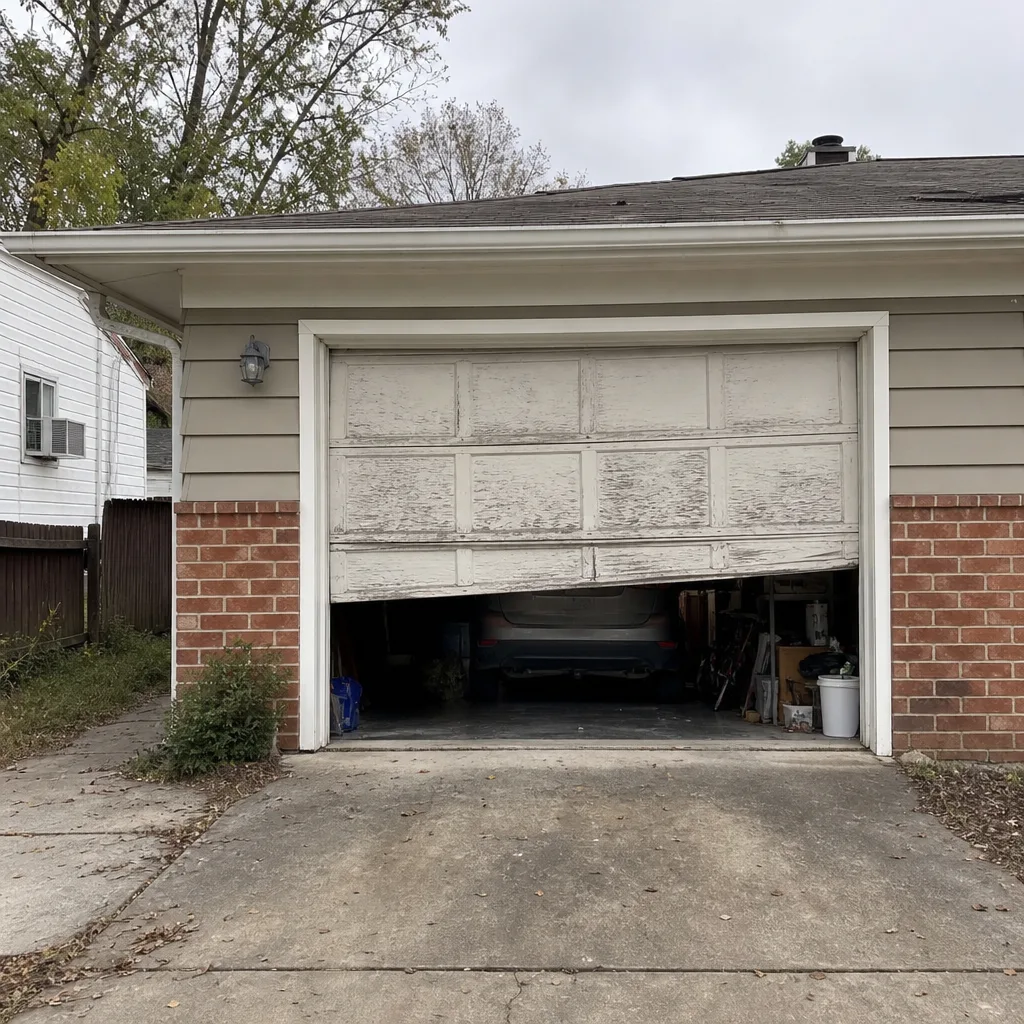 Before
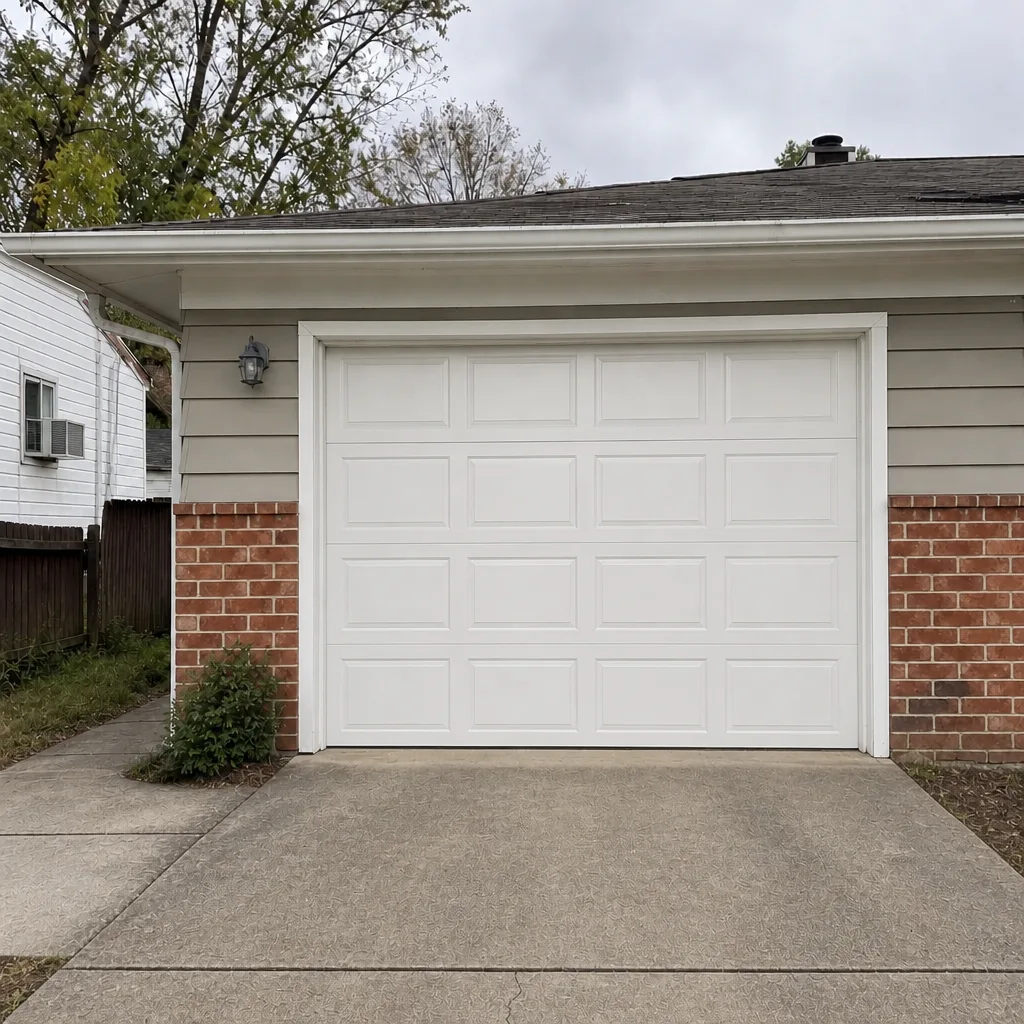 After
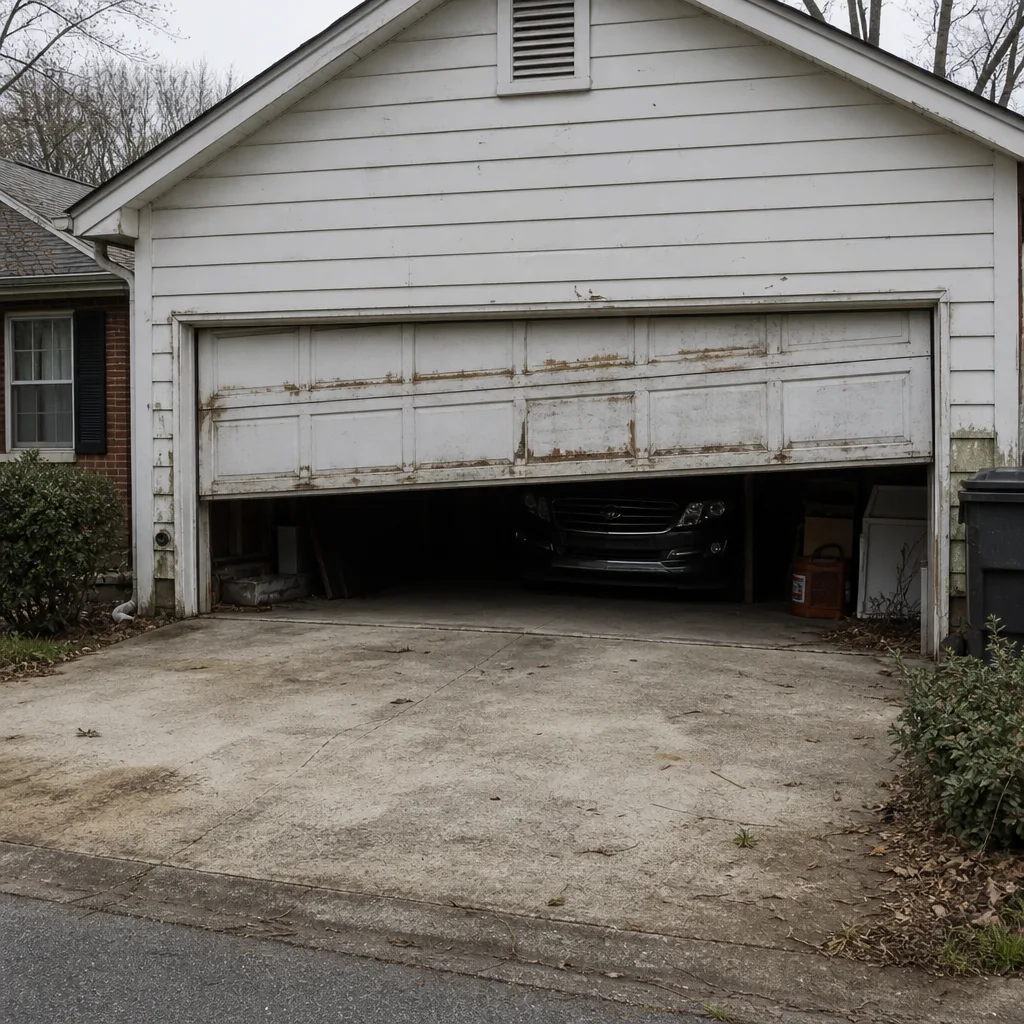 Before
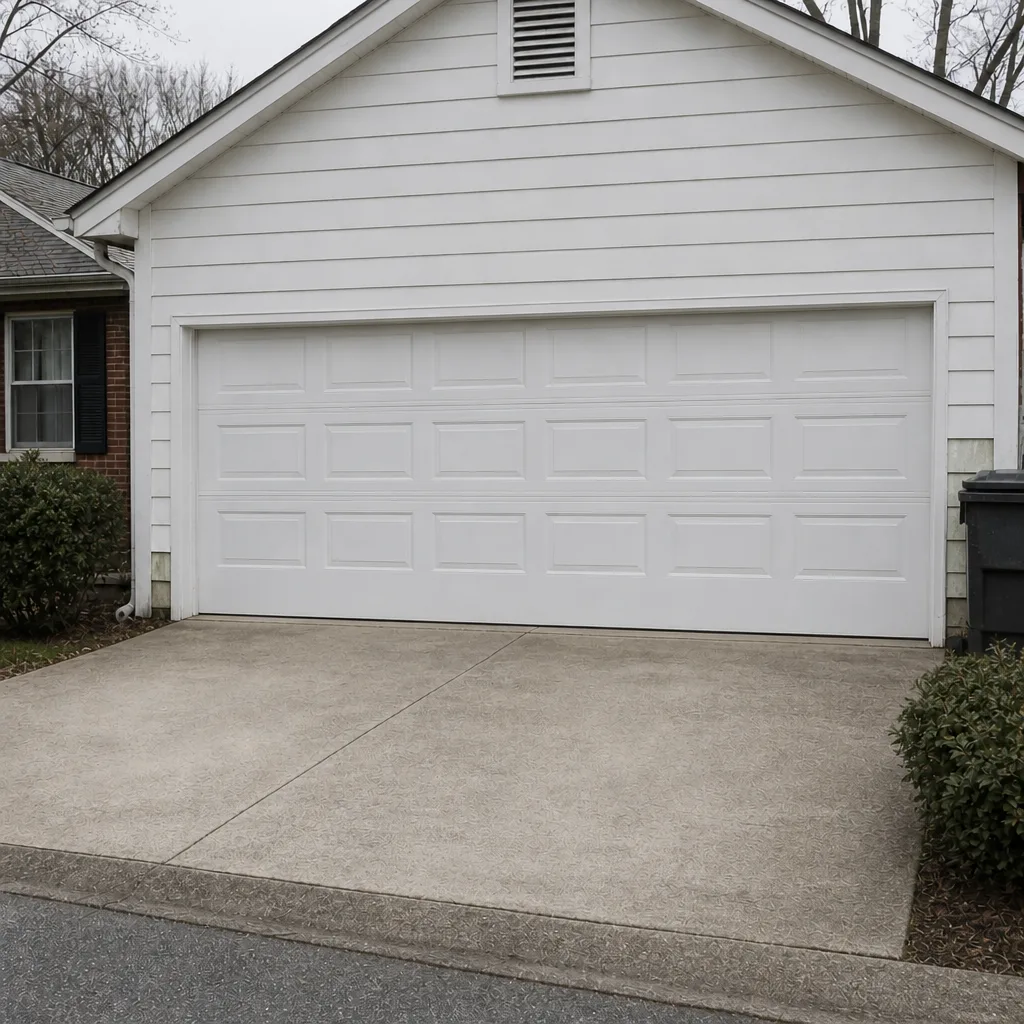 After
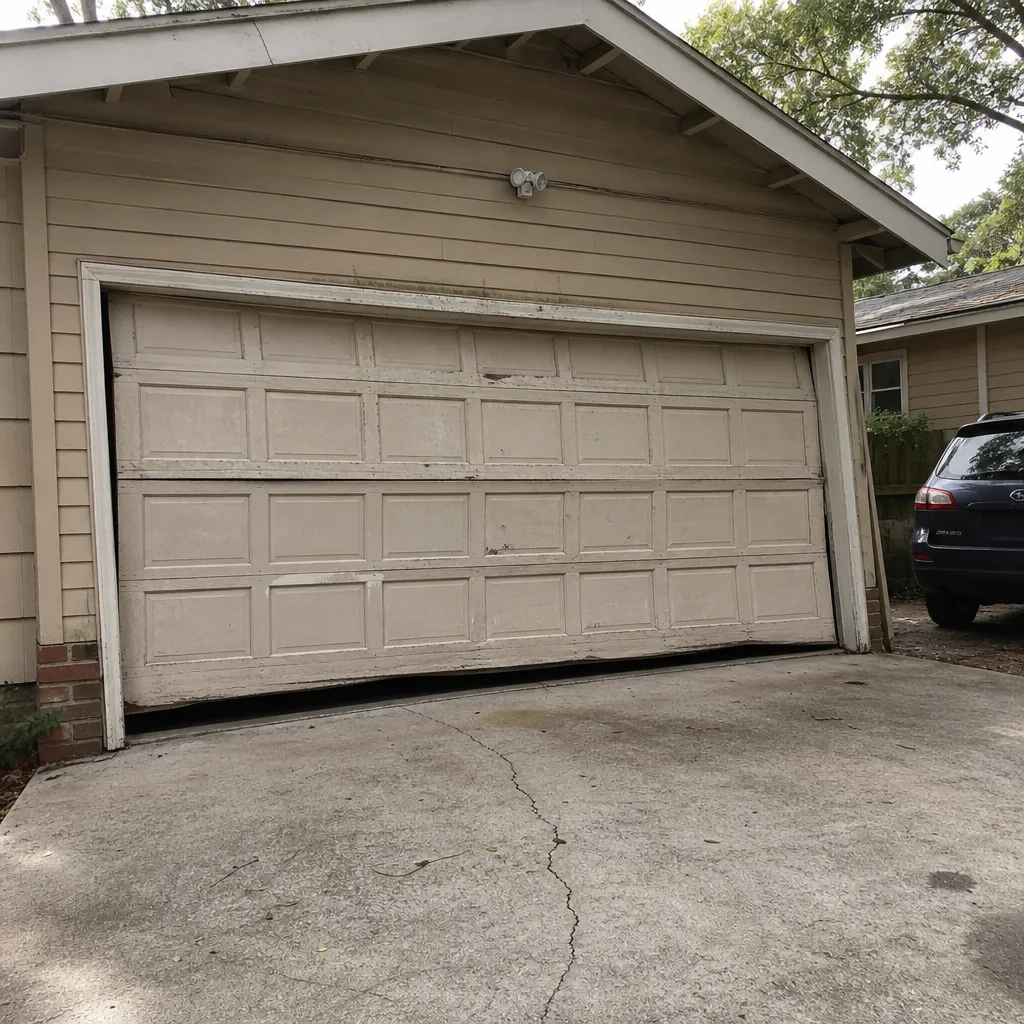 Before
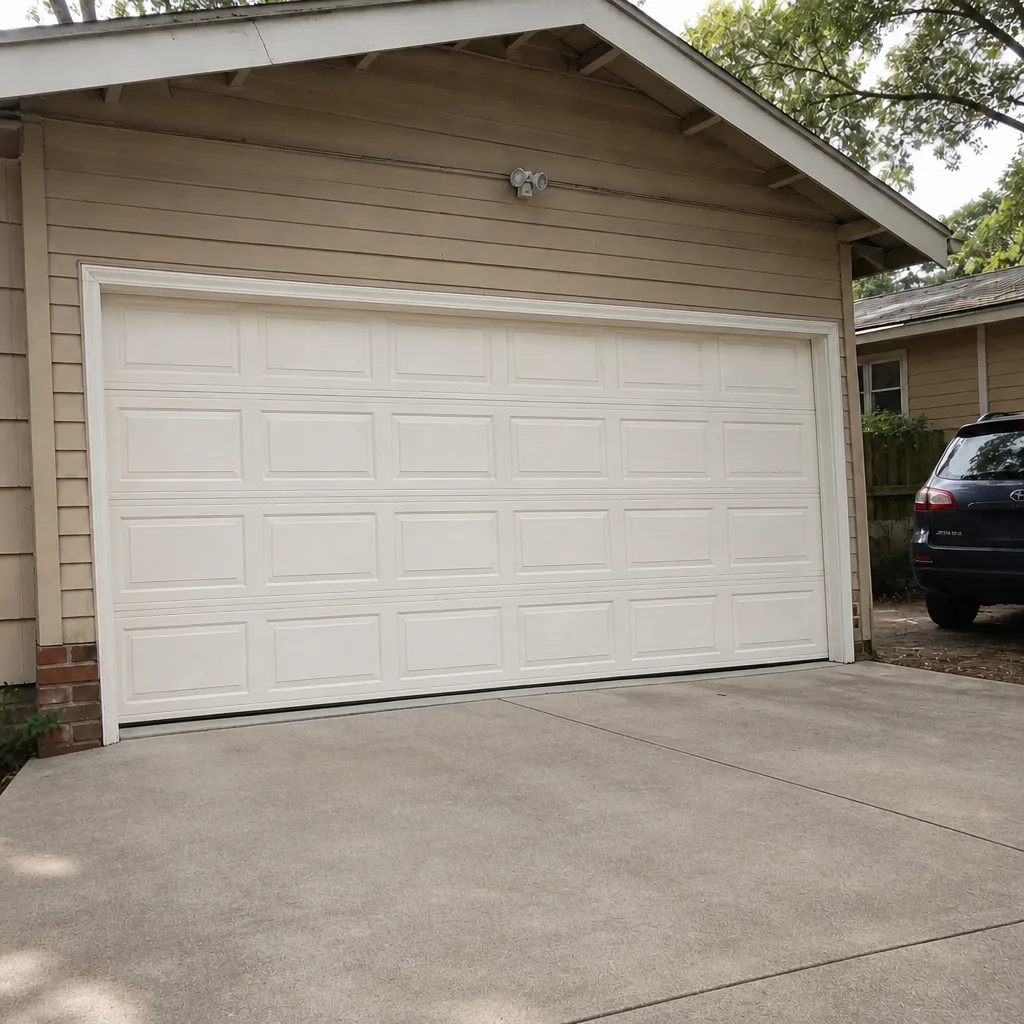 After
When to Call a Professional
Call a professional when the project touches the opening, the framing, the windload assembly, or any spring or cable component. Those are the jobs where a mistake is dangerous or expensive, or both. On the repair side, a snapped spring, a door off its tracks, or a cable that has let go needs a trained technician. On the replacement side, a project that changes the door size, material, or rating needs someone who can read the spec sheet and match the hardware to it. Garage Door Repair Midtown offers free estimates in Midtown – call (833) 700-6163. Our technicians have up to 14 years of experience with this equipment across the brands already in Midtown garages, and the price is quoted and agreed before any work starts.
Frequently Asked Questions
You may need a City of Atlanta building permit if the replacement changes the door size, weight, material, or windload rating, or if it involves framing or rough-opening work; a true like-for-like repair generally does not. Call the City of Atlanta building department with your specific door and opening before ordering, because the answer depends on the assembly, not the project name. Then call (833) 700-6163 for a free estimate on the work itself.
A door replacement permit covers the door, hardware, and windload assembly; an opener permit covers framing, a rough opening, or an electrical circuit added for the opener. A like-for-like opener swap on existing mounts and wiring is maintenance and doesn’t trigger either. If your opener project adds framing or a new circuit, ask the city whether it needs separate filing.
It checks that the door and hardware match the approved and rated assembly, that anchoring is tied into sound framing, that the door balances and reverses correctly, and that safety devices like photo-eyes are present and working. In older Midtown homes, the header, anchoring, and safety devices are the three items that fail most. If an inspection is coming up, call us and we’ll evaluate the installation before the inspector does.
It can delay a sale or complicate an insurance claim, because a gap in the permit history shows up during the buyer’s inspection or a permit history search. The flag follows the property, so a current owner can inherit a previous owner’s unpermitted work. The fix runs through the City of Atlanta’s retroactive permitting process, and getting a technician’s evaluation early shortens it.
Atlanta doors must be rated and installed to resist local design wind pressure under DASMA 108, and the rating covers the door, the hardware, and the anchoring as one assembly. This matters most for attached garages and exposed openings. The manufacturer’s spec sheet for the specific door and hardware tells you what rating the assembly carries.
Start by calling the City of Atlanta building department to find out whether the work can be retroactively permitted, then gather whatever records exist and have the installation evaluated against the rated assembly. Deficiencies like framing, anchoring, or missing safety devices get corrected, then the inspection closes the permit record. Call us for a free estimate on the evaluation and correction work – quote first, then work.
The Bottom Line
The permit question in Midtown comes down to one test: does the project change the structure, the opening, or the windload assembly? If it doesn’t, you’re likely in like-for-like repair territory. If it does, a City of Atlanta building permit and a compliant inspection protect you at sale, at refinance, and at claim. Keep the permit record, the spec sheet, and the written estimate together. Never touch a spring or cable yourself. And when you need an installation evaluated, quoted, or brought back into compliance, call (833) 700-6163 for a free estimate.
Whether you’re working through a repair or planning a full replacement, Garage Door Repair Midtown handles the project from estimate to inspection, with technicians who have up to 14 years of experience on the brands already in Midtown garages.
Written by the team at Garage Door Repair Midtown.