Last updated November 23, 2026
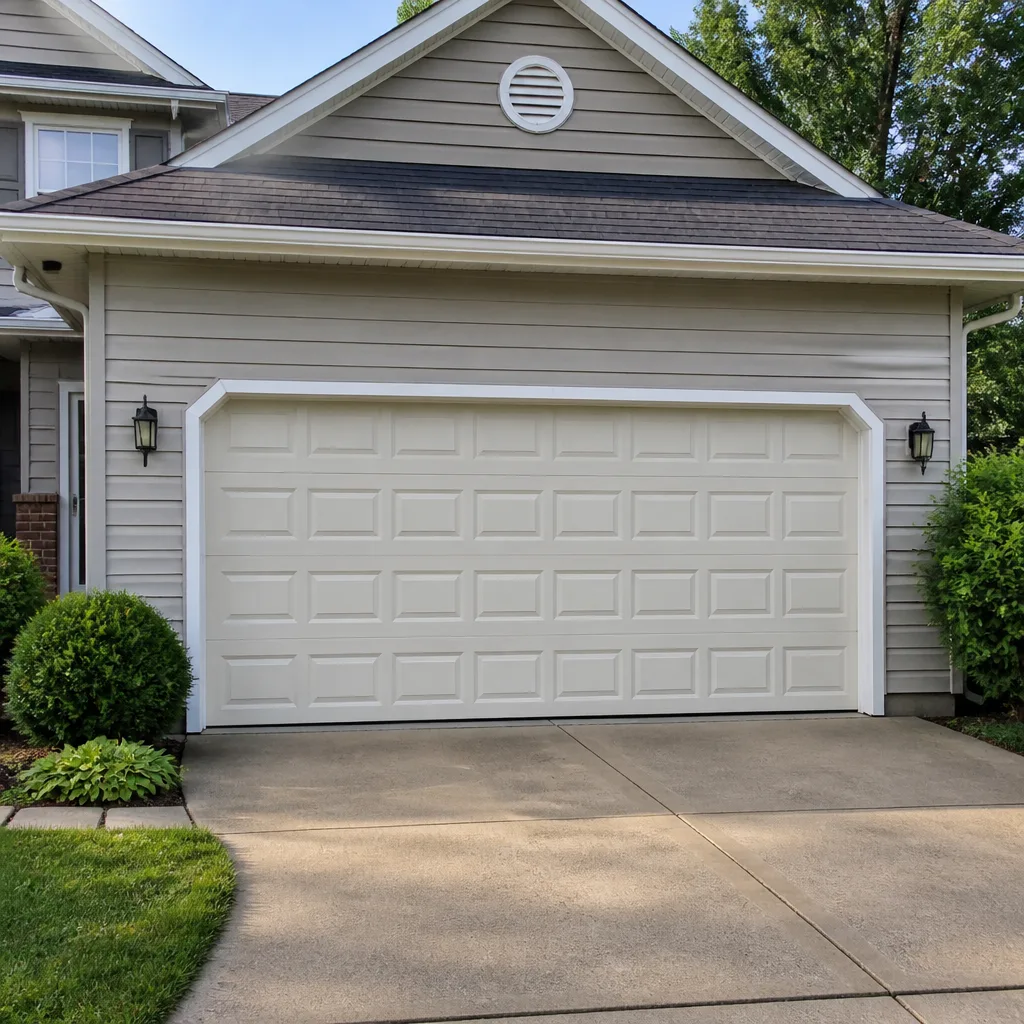 Raised-panel steel
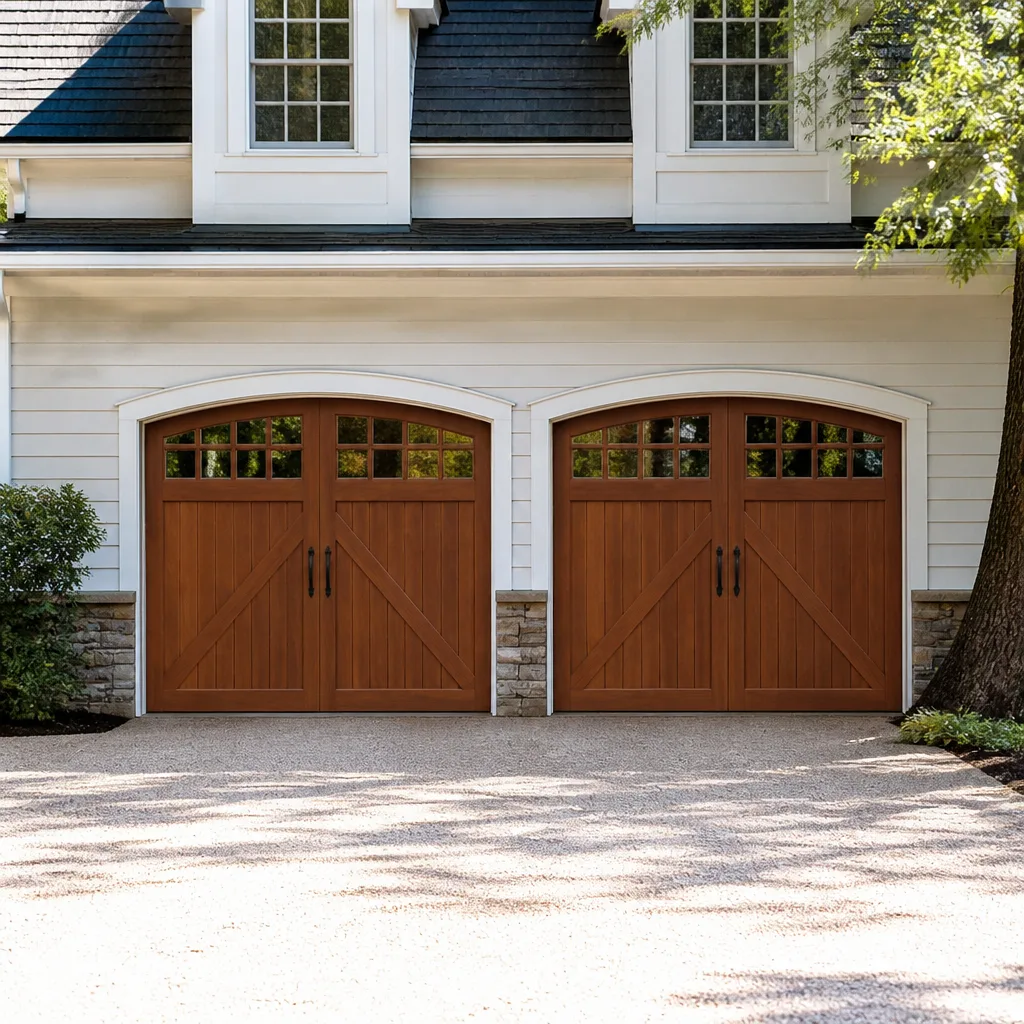 Carriage house
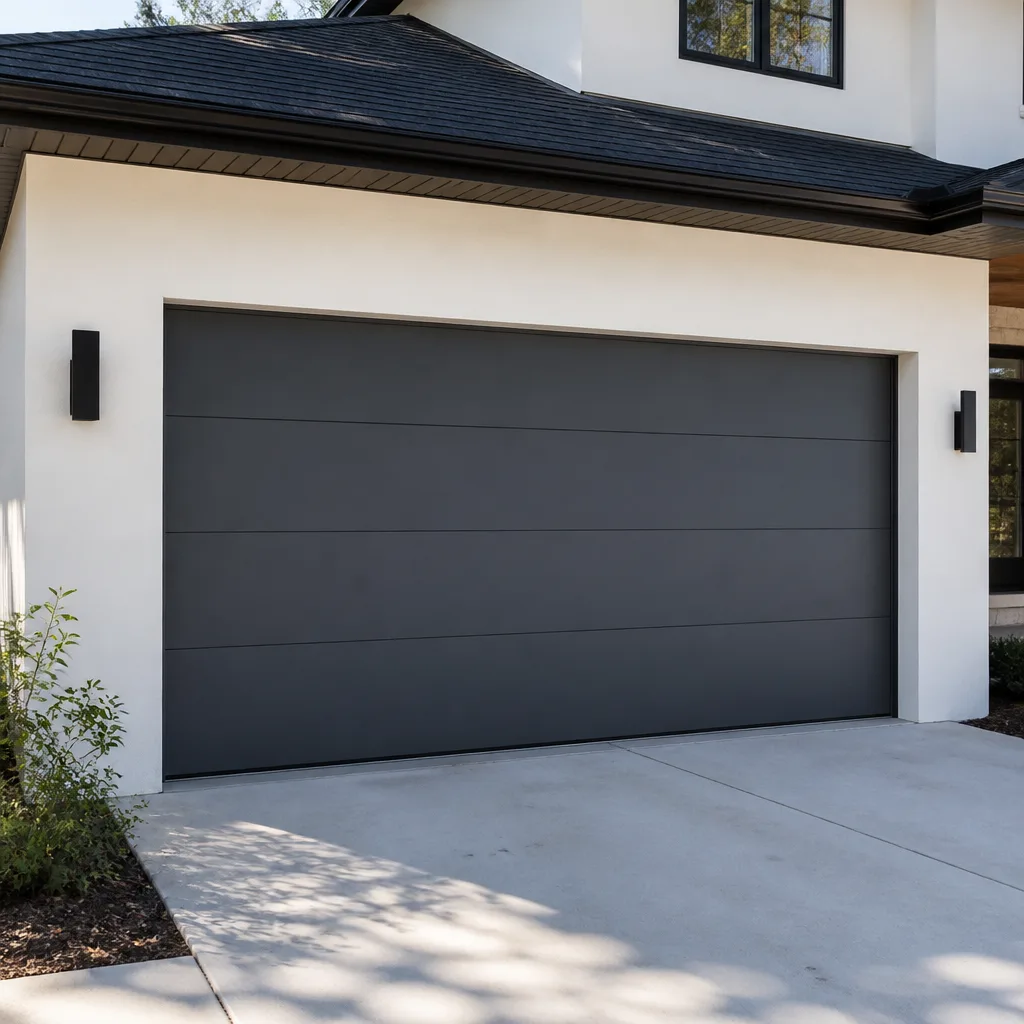 Modern flush
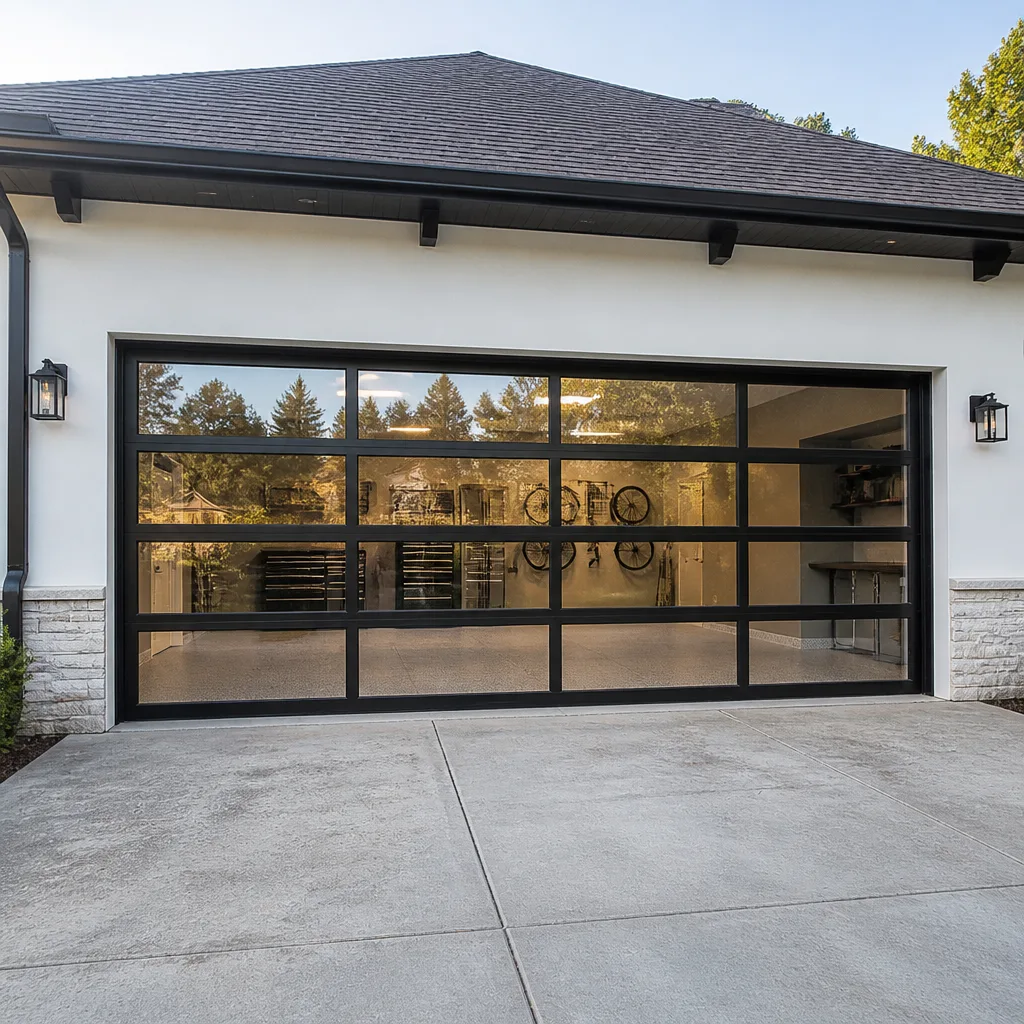 Full-view glass
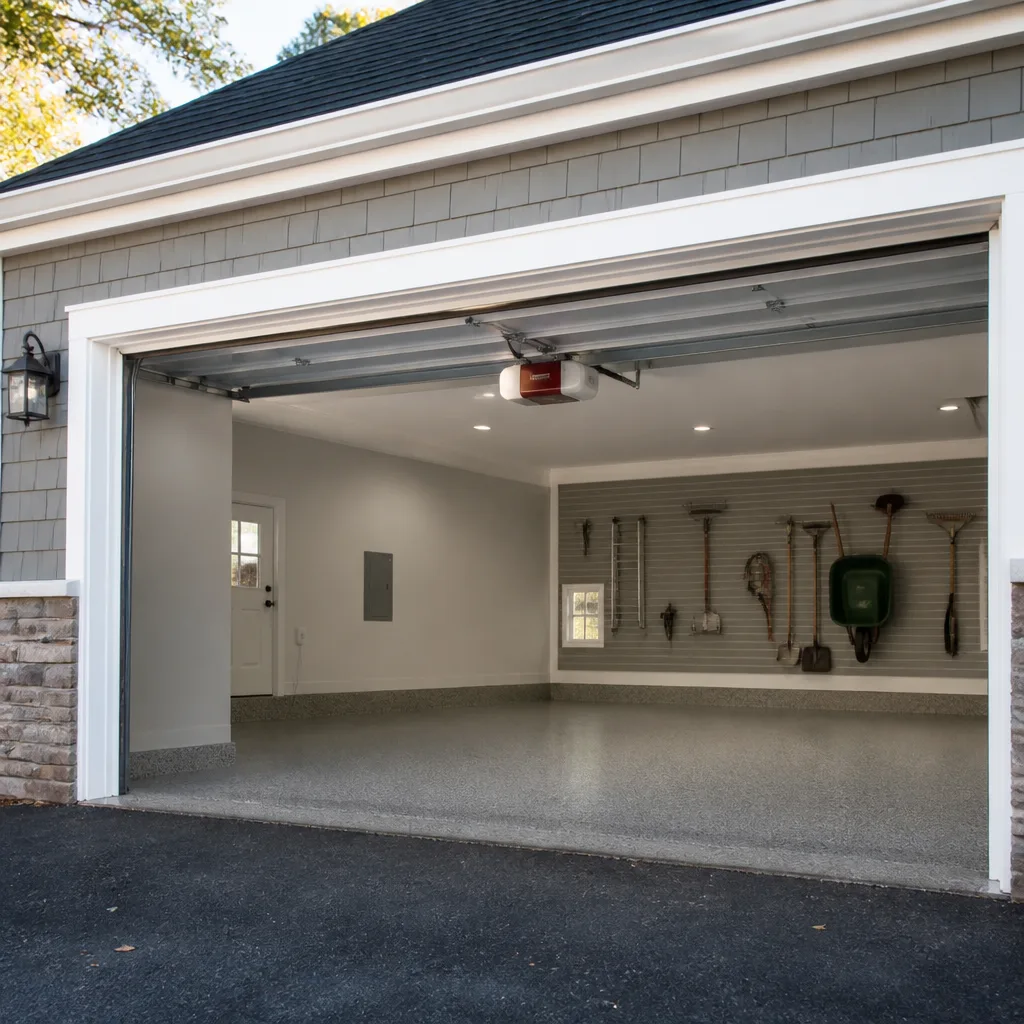 LiftMaster openers
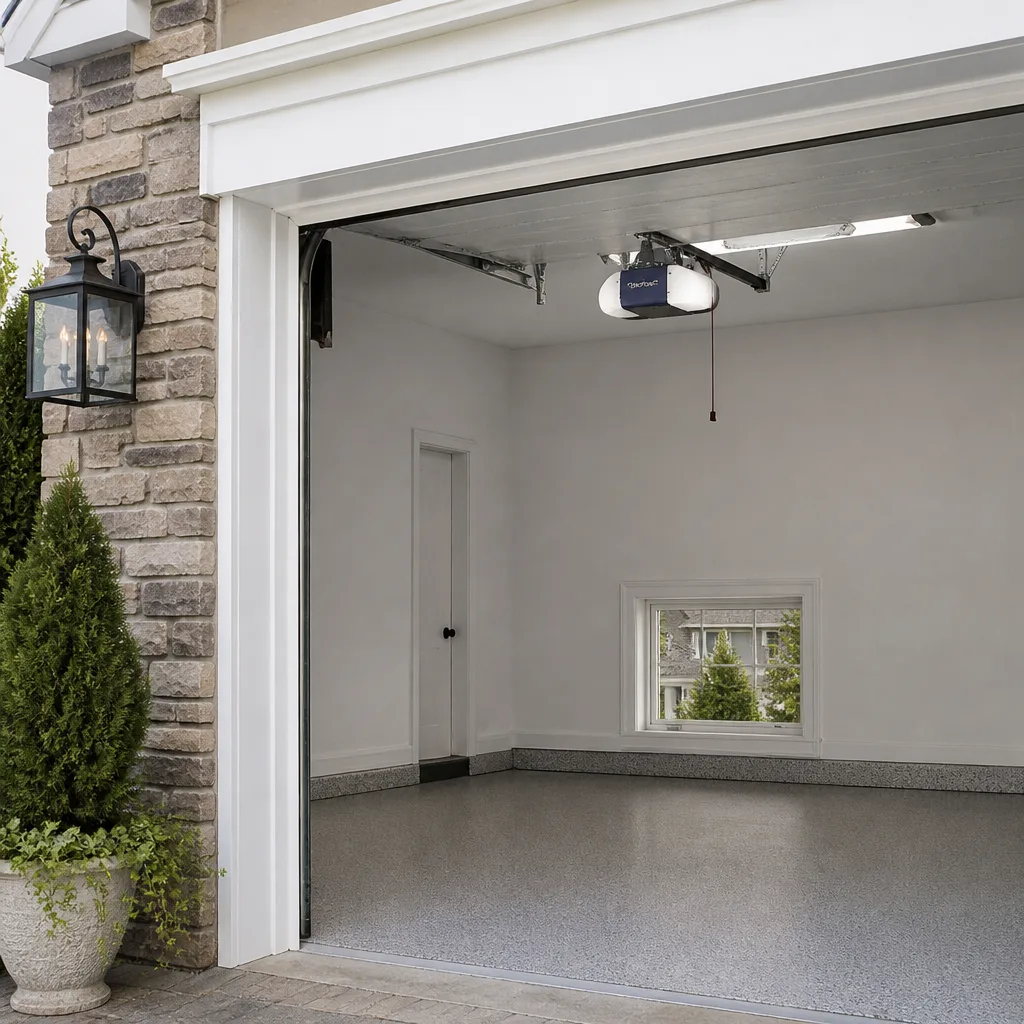 Chamberlain openers
Full 25-point door and opener safety check with every visit - springs, cables, rollers, tracks, and your LiftMaster or Chamberlain opener included
You get a price before we start. It does not change when the pro arrives.
Get your free estimateHow to Hire a Garage Door Contractor in Midtown: A Step-by-Step Guide
Most garage door callbacks we see in Atlanta don’t come from sloppy repairs. They come from jobs where the technician correctly found the broken part and then installed the wrong spring for the door’s actual weight – a mismatch that runs fine for a few months and then shows up when the cables fail. The part was right. The sizing was wrong. And nobody asked. Hiring a garage door contractor in Midtown is really an exercise in reading the details before you sign anything, because the difference between a specialist and a generalist quoting the same repair is often invisible on the invoice. This guide gives you the exact questions, documents, and red flags to check before anyone touches your door.
Quick Answer
Hiring a garage door contractor in Midtown means verifying three things in order: current Georgia licensure and general liability insurance, a written quote built on an actual on-site measurement of your door’s weight and hardware, and specific answers about DASMA standards, spring IPPT ratings, and cable drum sizing. A contractor who can’t speak to those specifics, or who quotes your job by phone without measuring the door, isn’t a specialist – and the repair may not last the year.
Styles & brands we work with
- Raised-panel steel
- Carriage house
- Modern flush
- Full-view glass
- LiftMaster openers
- Chamberlain openers
Table of Contents
- How Do You Verify a Contractor’s Credentials in Georgia?
- Why a Quote Without a Site Measurement Is a Red Flag
- Questions That Separate a Specialist From a Dealer
- How to Read a Written Quote Line by Line
- How to Honestly Evaluate Emergency Availability
- Hiring for a New Garage Door Installation in Midtown
- Common Mistakes to Avoid
- When to Call a Professional
- Frequently Asked Questions
How Do You Verify a Contractor’s Credentials in Georgia?
You verify a garage door contractor in Georgia by checking the state license database, asking for the certificate of insurance directly from the insurer, and confirming the policy is current as of the date of work. It takes about five minutes, and any legitimate contractor expects the request. In Midtown, where a lot of small operators work the residential streets around the park and the high-rises, the paperwork should match the name on the quote and the name on the door of whoever shows up.
Here’s the sequence we’d walk a homeowner through:
- Ask for the contractor’s state license number and the name of the qualifying agent. Every licensed trade contractor in Georgia has one, and the state database lets you search by name or number.
- Search the license number in the Secretary of State’s licensing portal and confirm the status reads “active.” An expired or suspended license is a hard stop.
- Request a certificate of insurance naming the company – not a copy of an application, a certificate from the carrier. It should show general liability coverage and, if the contractor has employees, workers’ compensation.
- Call the number on the certificate – not the number on the quote – and confirm the policy is in force on the install date.
- Confirm the insurance certificate lists the same legal entity name as the quote and the license. Mismatched names are how uninsured operators hide behind a licensed front.
Two more details matter for a garage door job specifically. General liability covers damage to your property, but it doesn’t cover injury to the technician working on high-tension springs – that’s workers’ comp, and a contractor without it can’t protect you from a claim if someone gets hurt on your property. Second, in the Midtown market, many small operators subcontract. Ask directly whether the technicians on the job are employees or subcontractors, and whether they’re covered under the same policies. A subcontractor arrangement isn’t automatically wrong, but the insurance has to follow them.
One more caution: a license and insurance don’t tell you whether the contractor actually understands spring hardware. The verification step is about legal protection. The technical questions in the section below are about whether the repair will hold.
Why a Quote Without a Site Measurement Is a Red Flag
A phone quote for a garage door repair is a guess dressed as a price. Springs are rated in IPPT – inch-pounds per turn – and the correct rating depends on the door’s weight, height, track configuration, and existing hardware. Two doors that look identical from the street can take completely different spring specifications. A contractor who won’t come out and measure before quoting isn’t being efficient; they’re planning to substitute whatever’s on the truck.
What a legitimate diagnostic visit looks like in Midtown:
- The technician measures door width, height, and weight rating – either from the door’s spec plate or by weighing the sections.
- They inspect the springs, cables, drums, hinges, rollers, and track for wear beyond the reported problem.
- They verify the torsion system (or extension springs, if applicable) and note the spring wire gauge and inside diameter.
- They check the opener’s drive type, control board, and force settings, since a binding door will burn out a properly functioning opener.
- They test the door’s balance by hand with the opener disconnected, so they know whether the issue is the spring, the operator, or both.
- They write the quote on-site, itemized, with the spring rating and part description spelled out.
On a spring replacement, expect the technician to take ten to twenty minutes on measurement alone. That’s not a delay – it’s the difference between a spring that lasts a decade and a spring that fails inside a season. When you request garage door repair, the quote you accept should always come from the person who will do the work, on the door in front of them.
If a company offers a firm price before anyone has looked at the door, the honest response is: describe your range of outcomes, then measure. Estimates are free and a written quote is the number that counts. The verbal number should never be the number you pay.
Questions That Separate a Specialist From a Dealer
The fastest way to tell a multi-brand garage door specialist from a single-brand dealer is to ask three technical questions a generalist can’t fake: What DASMA standard applies to the spring you’re installing, what IPPT rating is that spring, and how do you size the cable drum to this door’s geometry. If the answer is a shoulder shrug, you’re talking to someone who is going to sell you whatever is easiest to source – often a replacement door when a repair would have done.
Here’s the short version of what each question reveals:
- DASMA standards: The Door & Access Systems Manufacturers Association publishes cycle-life ratings that determine how many open-and-close cycles a spring is rated for. A specialist knows which rating they’re quoting and why it fits a residential door. A generalist won’t know DASMA exists.
- IPPT rating: The spring’s stored energy is measured in inch-pounds per turn. Getting this wrong for the door’s weight is the single most common cause of early spring failure – a mismatch that fails silently and then takes the cables with it.
- Cable drum sizing: The drum must match the spring’s lift so the cables spool evenly. A wrong drum causes the door to lift unevenly, wearing the tracks, hinges, and cables well before their rated life.
A multi-brand contractor also has a different relationship to a repair problem. A single-brand dealer sells one product line, so the path of least resistance is often a full door replacement – which is the right answer maybe a fifth of the time and a payday every time for a dealer trying to hit a target. A multi-brand specialist is set up to diagnose across equipment, which means they can tell you when a repair is the correct answer. Garage Door Repair Midtown handles eight of the most widely installed brands in North America – LiftMaster, Chamberlain, Genie, Clopay, Amarr, Wayne Dalton, Craftsman, and Raynor – so the brand already in your garage isn’t a hurdle; it’s a starting point.
When it’s the opener specifically that’s failing, ask two more: which drive system the technician is trained on (belt, chain, screw), and whether they can diagnose a smart-home or Wi-Fi connectivity issue, not just a motor failure. Our garage door opener repair work covers both the older legacy systems and the newer app-connected units – the failure modes are genuinely different, and a technician who only knows one doesn’t know the other.
A note on asking: these are not gotcha questions. A real specialist enjoys answering them. Watch for the difference between a contractor who says “let me check the rating on your door” and one who changes the subject.
How to Read a Written Quote Line by Line
A written garage door quote should show you every part by name, spec, and price, with labor shown separately. If you can’t tell what “hardware” means or where the labor ends and the parts begin, the quote is built to hide markup – and a repair invoice can easily balloon past the original number. In Midtown, where homes range from 1920s bungalows off Piedmont to newer construction near Atlantic Station, the hardware needs are genuinely different, and a vague quote is how a contractor fills that gap with markup.
Here’s what a clean quote contains:
- Part descriptions with specs: spring wire gauge, inside diameter, and IPPT rating; hinge and roller gauge; cable diameter. If it says “spring, torsion, standard,” it’s a substitution waiting to happen.
- Labor as its own line: spring replacement, opener repair, and track work have different labor times. Bundling everything into one number hides where the actual cost is.
- Warranty split by part and labor: the spring should carry a manufacturer’s cycle-life warranty and a separate labor warranty. Opener and door warranties differ. A single “one-year warranty” on the whole job is a red flag – it usually excludes parts.
- Cycle-life warranty language: ask how many cycles are warranted and how a claim is measured. A spring rated at 10,000 cycles is a very different product from one rated at 20,000.
- Disposal and haul-away: stated, or excluded. Either is fine; ambiguity is not.
- The date and name on the quote: written on the door’s spec sheet or the technician’s diagnostic worksheet. A quote with no measurement reference is a retyped phone number.
- No service agreement language buried in the fine print: if the quote includes a clause you didn’t ask for, ask what it means before you sign.
Read the warranty language twice, specifically the exclusions. Common exclusions that should raise questions: labor on parts, springs damaged by “normal wear,” any damage that results from “misuse” (a term that can be defined loosely enough to cover almost any failure), and anything installed on a door the contractor didn’t originally install. If the exclusions are broader than the coverage, the warranty is decoration.
Two lines we’d flag in any quote: a lumped “hardware and labor” line, and any price that’s higher on the written quote than the verbal estimate. The written quote should match what you discussed, or the contractor should be explaining why the measurement changed the number – before any work starts. Our technicians have up to 14 years of experience, and the good ones hand a homeowner a printed quote that itemizes every screw. That’s the standard to hold every contractor in Midtown to.
How to Honestly Evaluate Emergency Availability
Almost every garage door company advertises “24/7 emergency service.” Almost none of them can dispatch to Midtown at 2 a.m. with a technician who actually handles high-tension spring work. The way to evaluate a company’s emergency availability is to ask three questions before you need them: what’s the actual dispatch radius to your address, what’s the after-hours rate and how is it structured, and which failures count as genuine emergencies for them. A company that answers those questions in specifics is a different animal from one that just has the word on the website.
The failures that justify a call right now:
- A torsion spring that has snapped, leaving the door stuck down with a car trapped inside or a home unsecured.
- A door off its tracks, tilted or hanging, that can’t be operated safely.
- An opener that has failed with the door in the open position and the manual release stuck.
- A door that won’t close and won’t stay closed, especially overnight.
- Cable failure – the door is unstable and the risk of injury is high.
What we’d say in the moment: don’t try to force a door that’s off-track or has failed cables. The door itself is the danger. Call from a safe distance and describe what you’re seeing. Free estimates and a written quote still apply to emergency work – our Garage Door Repair Midtown service is set up to respond to those urgent calls, and the price is quoted and agreed before any work starts. Knowing that before the emergency happens is worth ten minutes of setup.
Hiring for a New Garage Door Installation in Midtown
A new door installation is measured, ordered, and scheduled – not same-day. The contractor should visit, measure the opening, confirm the headroom and backroom clearance, discuss the spring and track configuration that fits your home, and then give you a written quote with a lead time on the specific door. Getting this wrong is expensive: a door ordered off a rough measurement doesn’t fit, and the reorder can add weeks.
What to ask during the install consultation:
- Which door brands does the contractor install directly? A multi-brand specialist can source through several manufacturers, which means the choice is about your home, not their inventory.
- What’s the door’s R-value and construction (steel, insulated, wood, composite), and how does that fit an unconditioned Midtown garage?
- Which opener will pair with the new door, and does the hardware support the door’s weight over time?
- What’s the warranty split between the door manufacturer, the opener manufacturer, and the installer’s labor?
- What’s the written lead time on the door and the installation date?
Installation quality matters as much as the door itself. A door hung correctly runs quietly for years; a door hung with a poorly tensioned spring or an off-level track will bind and wear out the opener. That’s why we prefer to install brands like Amarr, Wayne Dalton, and Raynor through the same technicians who would service them – the person who sets the spring can also read its spec sheet. For a full replacement, our garage door installation service covers the measure, the quote, and the install; a free measure and a written price are the starting point, not a phone estimate.
Common Mistakes to Avoid
- Accepting a phone quote. A price given without measuring the door’s weight and existing hardware is a guess that will be adjusted later. Insist on an on-site diagnostic before you sign anything.
- Skipping the insurance verification call. A certificate of insurance is easy to print; a phone call to the carrier confirming it’s in force takes two minutes and is the only way to know the coverage is real.
- Letting a single-brand dealer talk you into a replacement. When the dealer only sells one brand, a repair can look like a bad deal for them. Get a second opinion from a multi-brand specialist before you replace a door that could be repaired.
- Signing a quote with a vague “hardware” line. In Midtown’s older homes, a vague hardware line is where a cheap spring hides behind a premium price. Every part should be named and spec’d.
- Trusting a “one-year warranty” without reading the exclusions. If the warranty excludes labor on parts, or uses a loose definition of “misuse,” it covers very little. Ask for the cycle-life rating in writing.
- Believing the “24/7” badge. Ask for the dispatch radius and the after-hours rate structure. A company that’s honest about its coverage is the one you can actually reach at 2 a.m.
- Trying to fix a broken torsion spring yourself. High-tension hardware can cause serious injury if handled without training and the right tools. This is the one repair on the door that should always go to a professional.
When to Call a Professional
Call a professional when a torsion spring has broken, a cable has snapped, the door is off its tracks, or an opener has failed and the door can’t be operated manually. Call when a door has started running unevenly, won’t close all the way, or has become noticeably harder to lift by hand – all of those signal a spring or balance issue that will get worse and can damage the opener. Call before a full installation consultation so the contractor can measure and quote rather than guess. And call when a repair quote feels vague, because a second opinion on a paper quote is cheaper than a bad install.
Garage Door Repair Midtown offers free estimates in Midtown – call (833) 700-6163. Spring repair is a dedicated service for us, not a workaround, and high-tension hardware is handled by technicians trained on it. That matters more than any line on a quote sheet.
Frequently Asked Questions
Spring repair in Midtown is quoted on-site after a measurement of the door’s weight and existing hardware. A single spring replacement and a matched pair are priced differently because a pair is usually the correct repair for a torsion system, and a matched pair costs about twice a single spring. The written quote sets the final price, and estimates are free. Call (833) 700-6163 for an exact quote.
For urgent failures – a snapped spring, a door off its tracks, a car trapped – we offer emergency garage door service for Midtown homes. The fastest way to know is to call (833) 700-6163 and describe what’s happening. We won’t quote a price over the phone without measuring, but we can tell you what to do in the moment and get a technician out to look at it.
No – the written quote you agree to before work starts is the price. Our quotes are itemized on-site after a diagnostic visit, so the number you see is based on the door in front of the technician, not a phone estimate. What can change is the scope: if we find a second problem, we’ll show you what it is and quote it separately before doing anything.
The local professionals we connect you with are licensed and insured as Georgia requires for trade work, and we recommend you verify the certificate of insurance directly with the carrier before any work starts. That five-minute check is the same one we walk through in this guide, and it applies to every contractor you consider in Midtown.
Yes – we service eight of the most widely installed brands in North America, including LiftMaster, Chamberlain, Genie, Clopay, Amarr, Wayne Dalton, Craftsman, and Raynor, so the equipment in your garage is likely covered. If you’re unsure of the brand, the technician will identify it during the diagnostic visit and tell you what compatible parts are available.
Ask for their Georgia license number, a certificate of insurance from the carrier, a written itemized quote after an on-site measurement, the spring’s IPPT rating and DASMA cycle-life rating, and their after-hours dispatch radius and rate structure. A contractor who answers all five clearly is a specialist. One who deflects is a risk. Call (833) 700-6163 if you’d like to compare our answers.
The Bottom Line
Hiring a garage door contractor in Midtown comes down to verifying what you can and asking what a generalist can’t answer. Check the license and insurance with the carrier, insist on an on-site measurement before any quote, ask for the spring’s IPPT and cycle-life ratings, read the warranty exclusions, and get specifics on emergency dispatch before you need it. The quote sheet hides the difference between a multi-brand specialist and a generalist; the questions don’t. Free estimates and a written price before any work starts are the standard – hold every contractor you talk to in Midtown to it.
Written by the team at Garage Door Repair Midtown.
See the difference
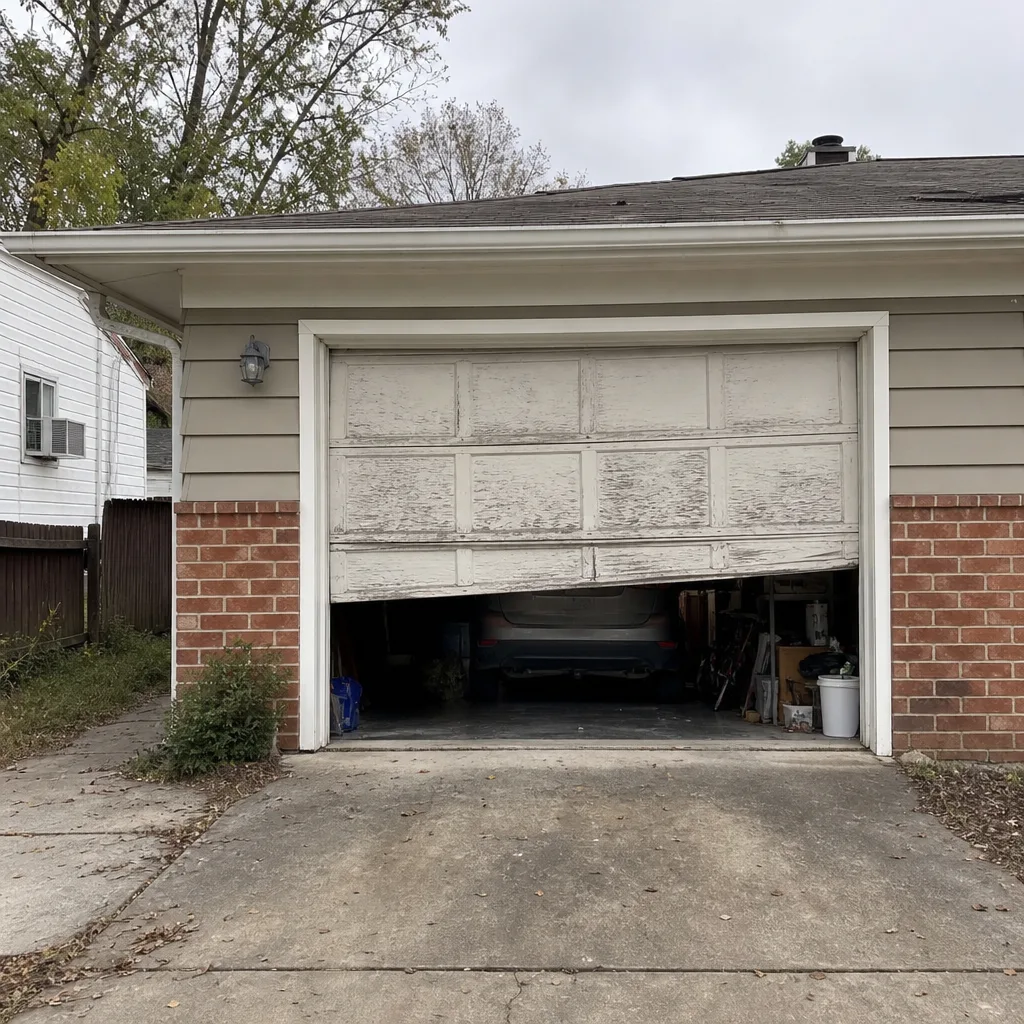 Before
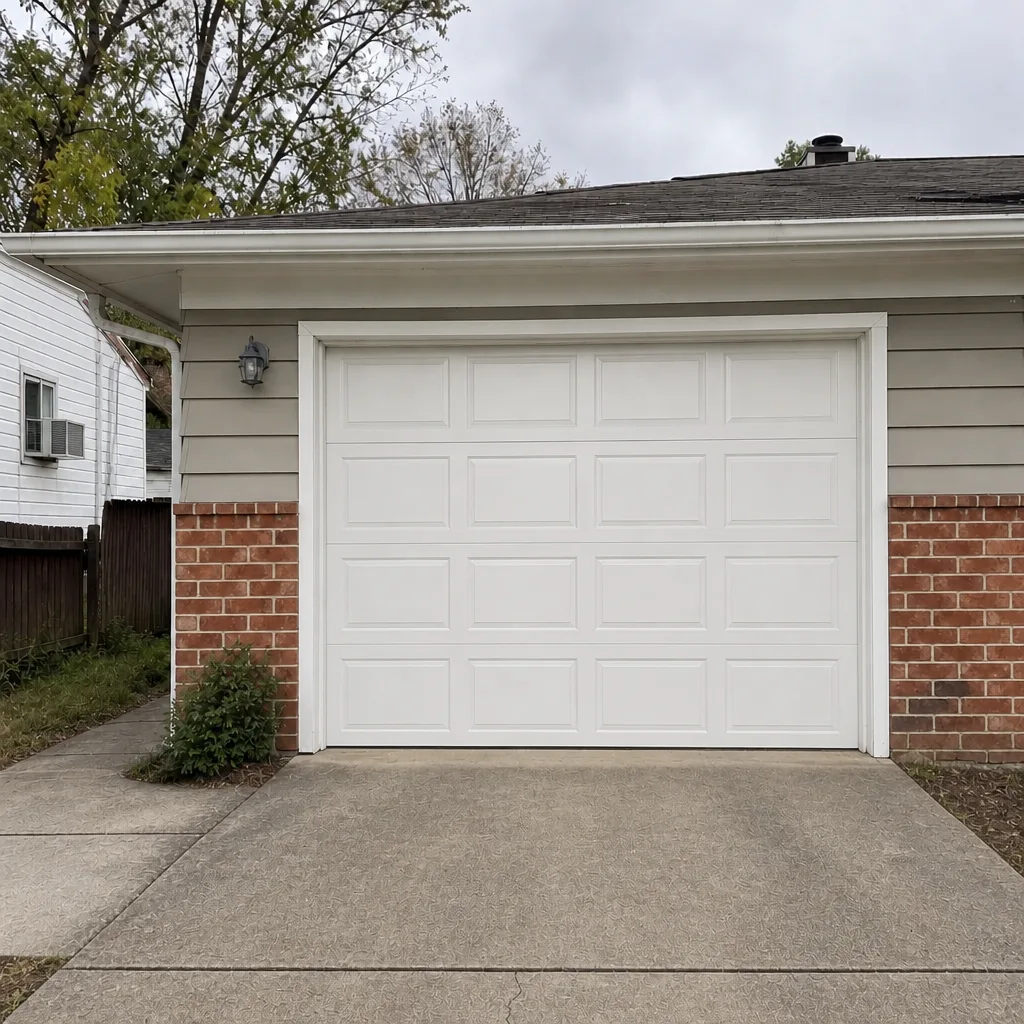 After
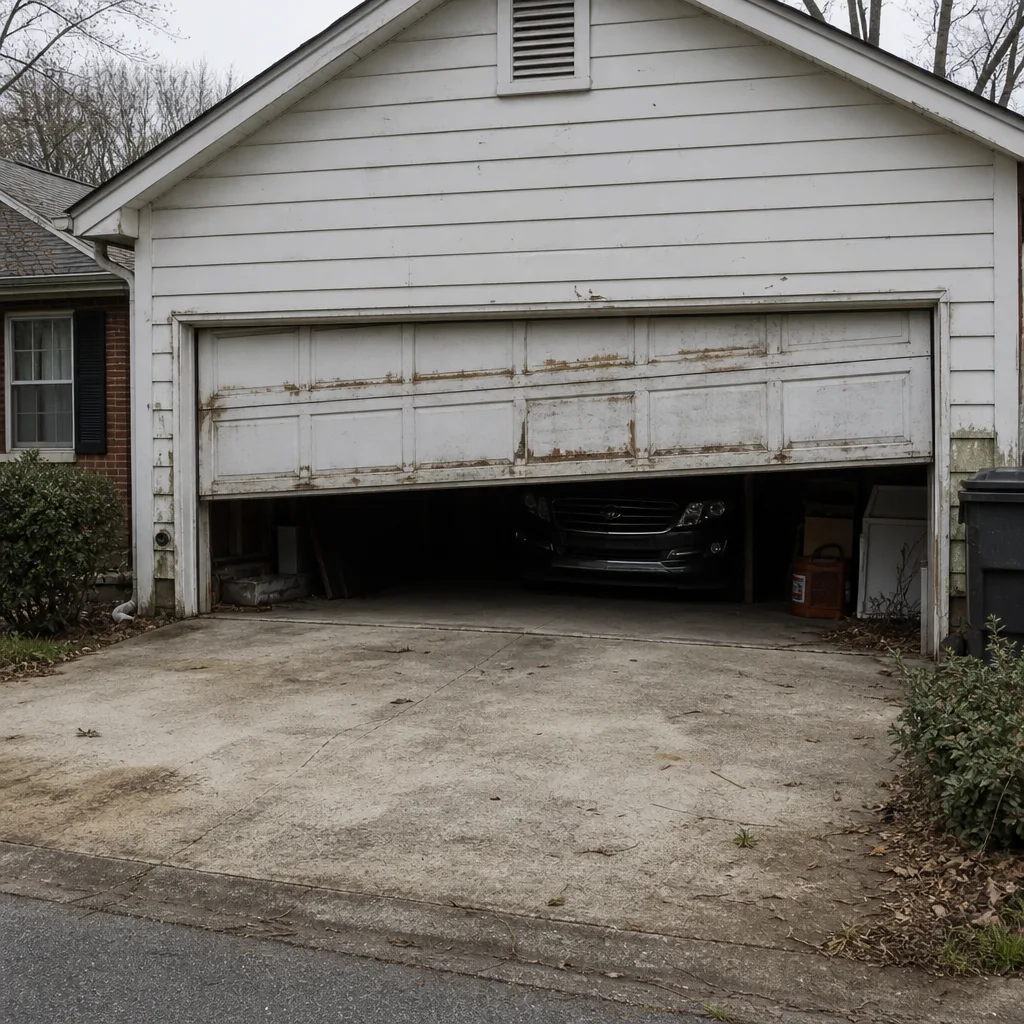 Before
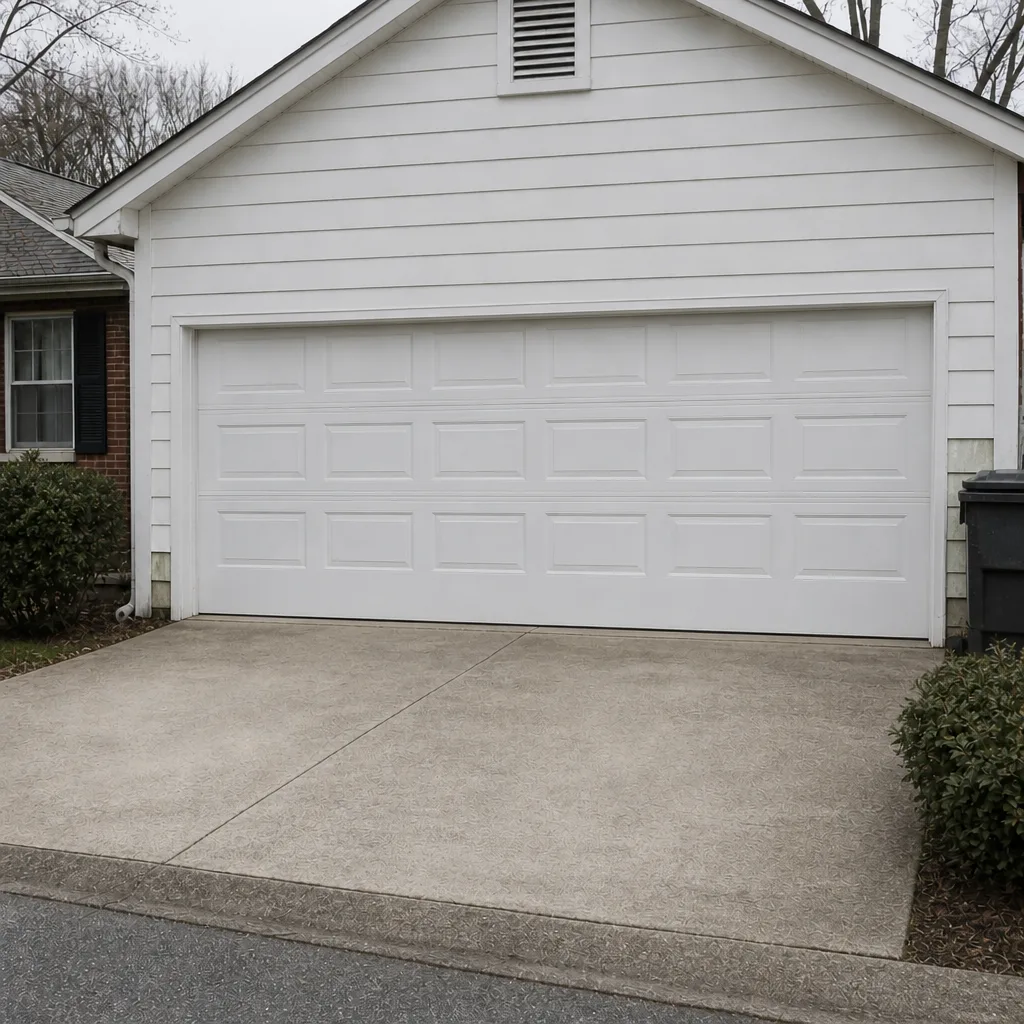 After
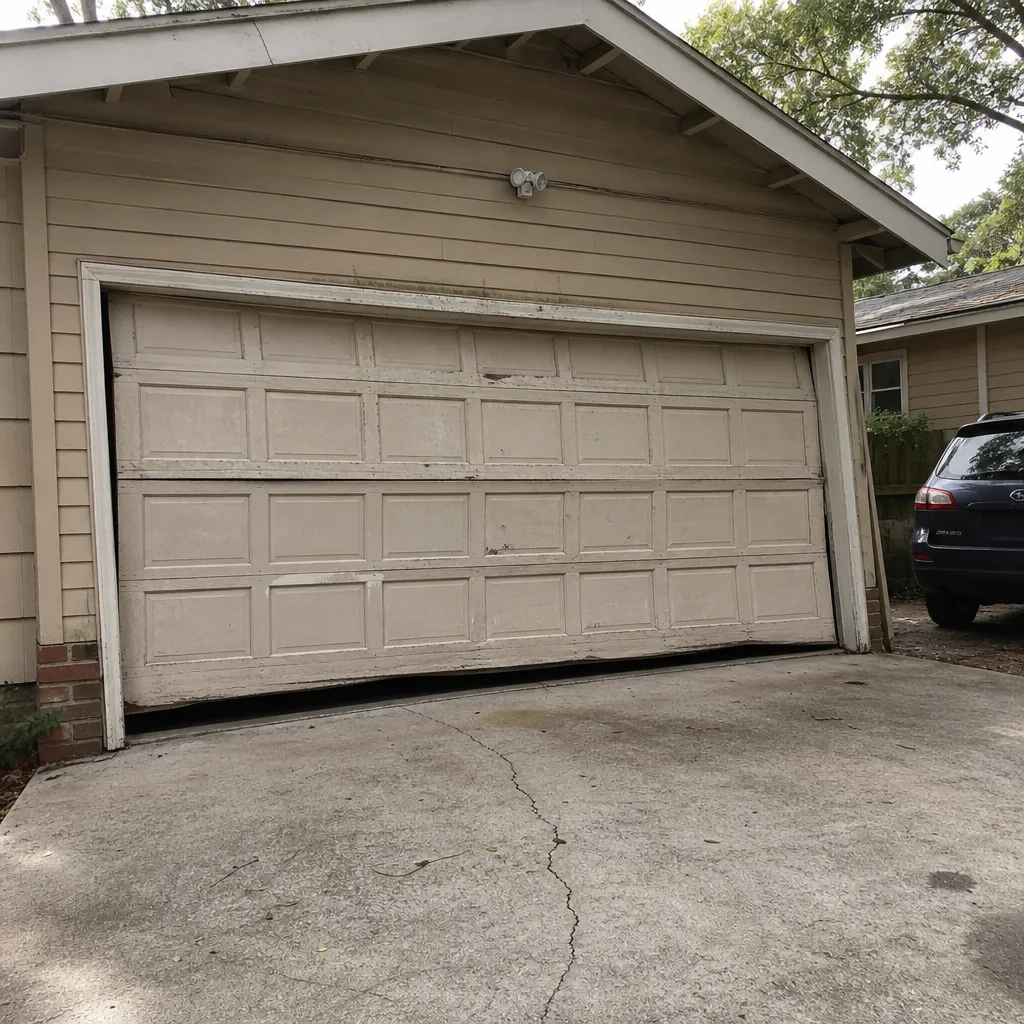 Before
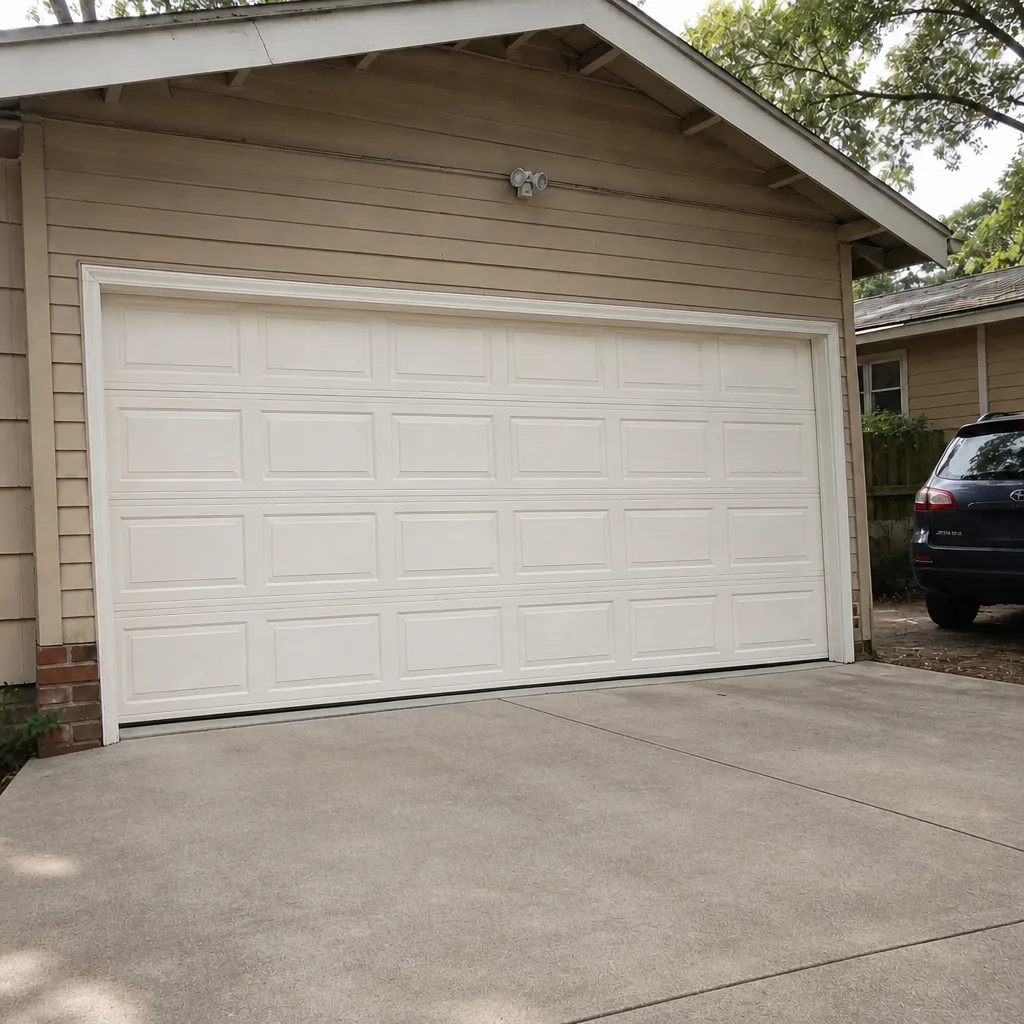 After