Last updated November 23, 2026
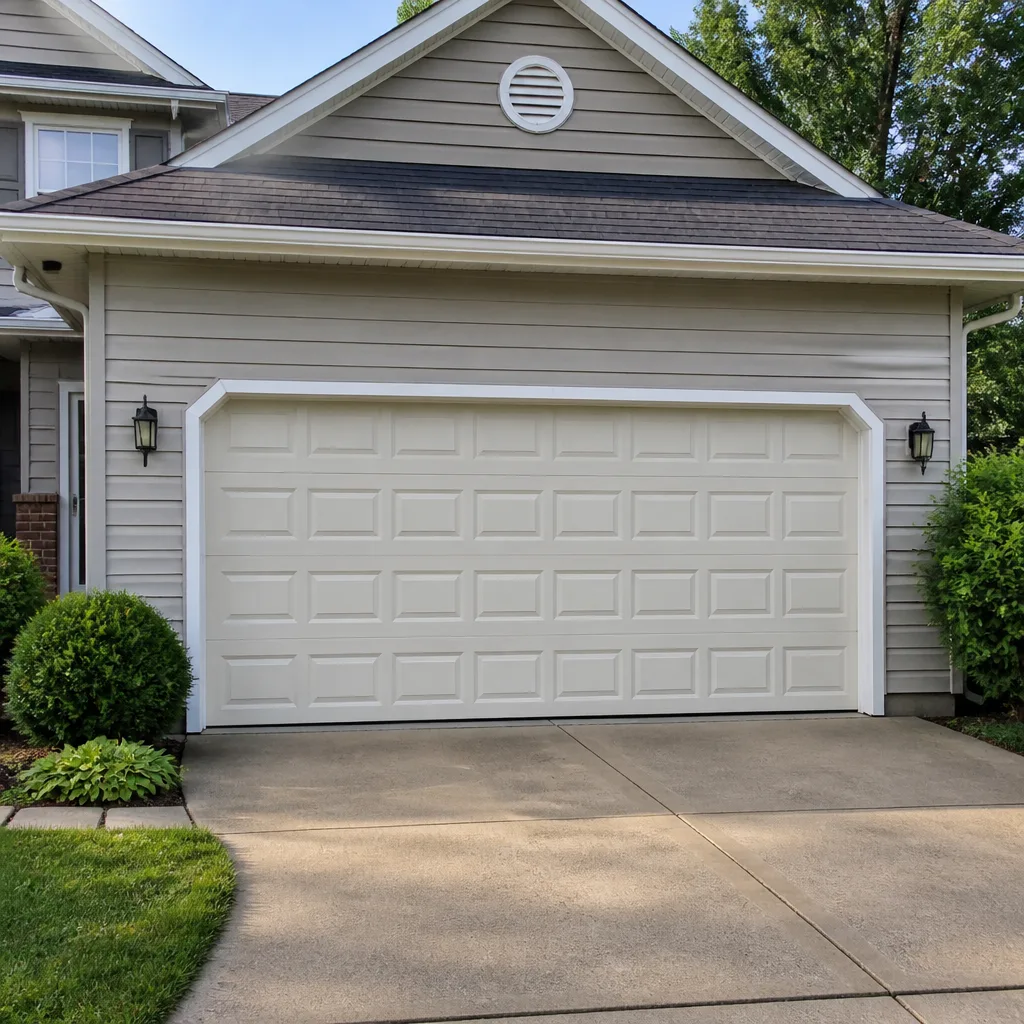 Raised-panel steel
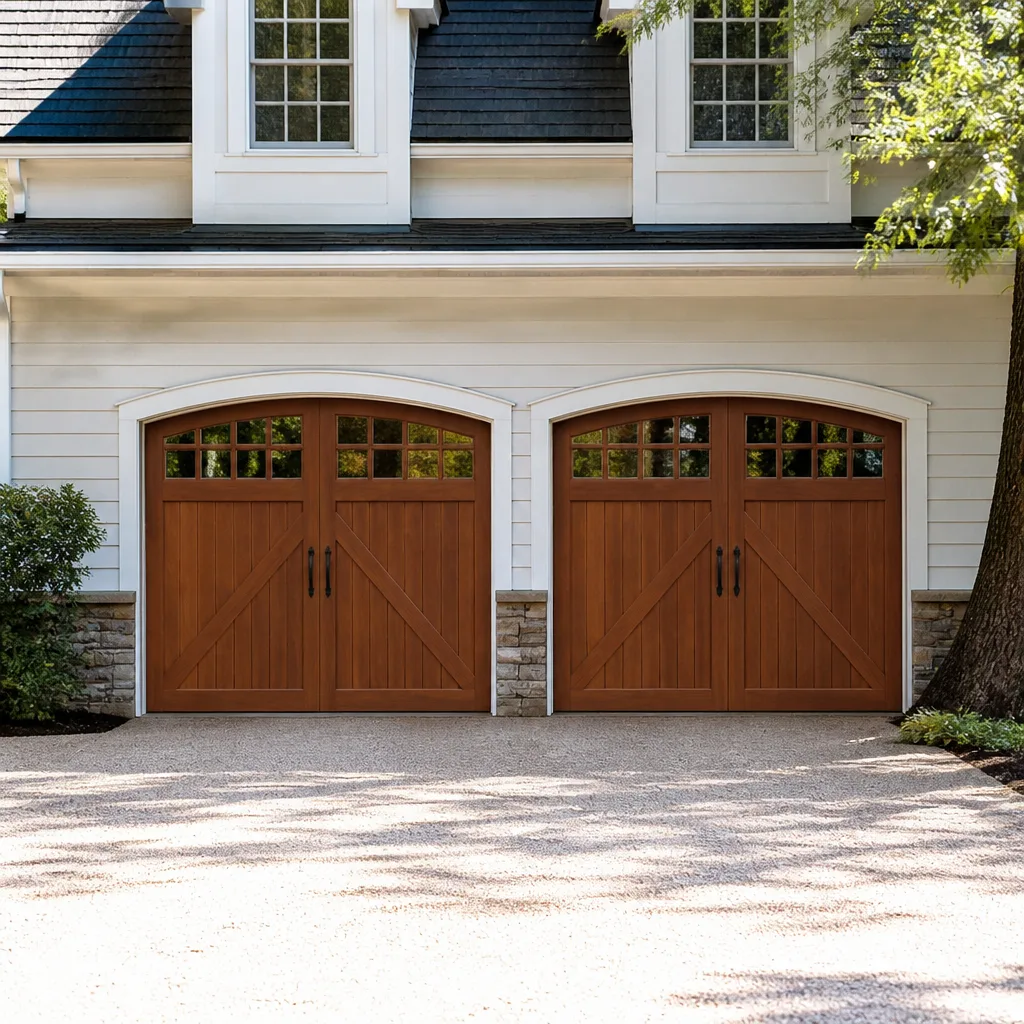 Carriage house
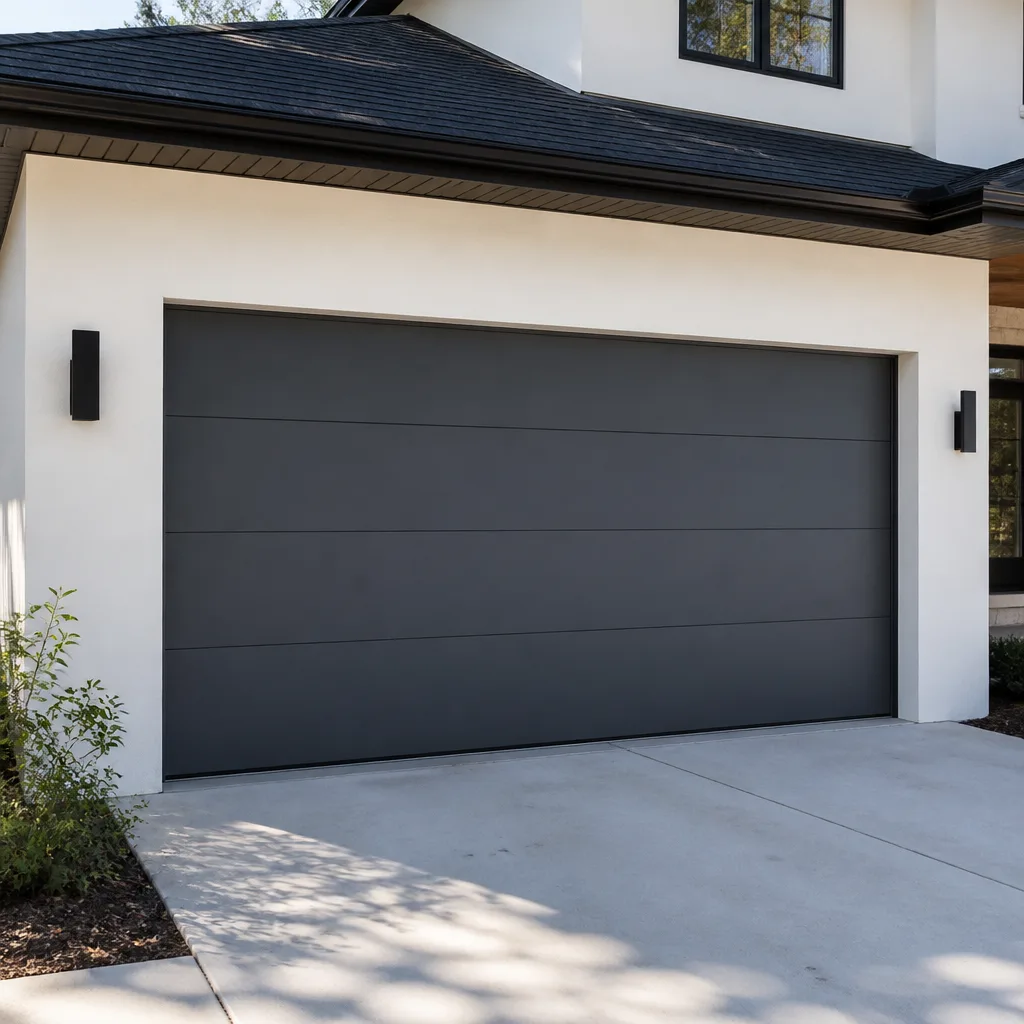 Modern flush
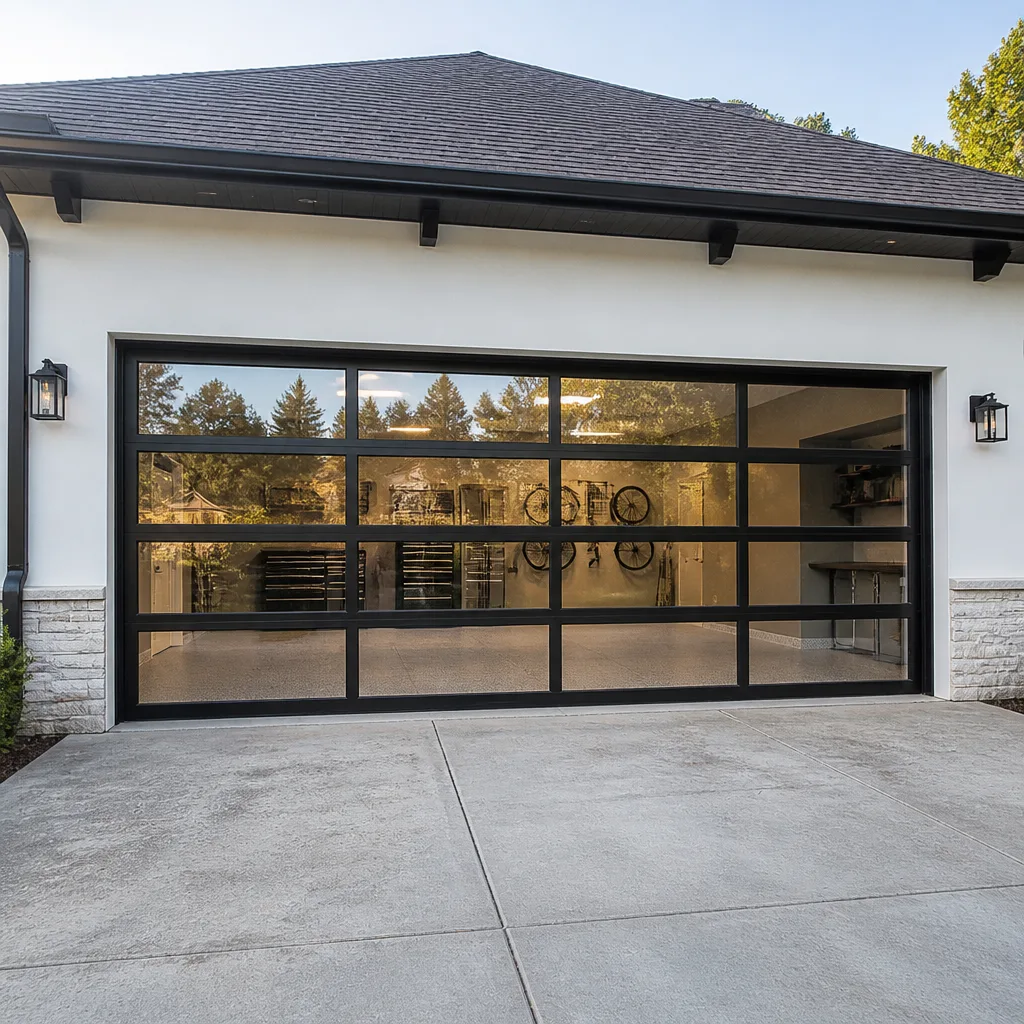 Full-view glass
 LiftMaster openers
 Chamberlain openers
Full 25-point door and opener safety check with every visit - springs, cables, rollers, tracks, and your LiftMaster or Chamberlain opener included
You get a price before we start. It does not change when the pro arrives.
Get your free estimateSeasonal Garage Door Care for Midtown: Year-Round Homeowner’s Guide
Most seasonal garage door guides are written for Minnesota, not Midtown. They warn about ice dams, frozen hinges, and snow load, then tell you to “winterize” a door that spent August baking at 140 degrees inside an un-air-conditioned garage. That advice misses the actual failure cycle here. In Midtown, the damage happens in the heat and humidity, not the cold. Steel tracks expand in the summer and bind nylon rollers. Wood panels swell. Springs get stressed by temperature cycling long before the first cold snap. We’ve seen doors that look fine in April fail in September because the warning signs were all summer signs. This guide walks through what each Georgia season actually does to your door, what to check when, and which maintenance tasks are worth your time. By the end, you’ll know what breaks here and what doesn’t.
Quick Answer
Seasonal garage door care in Midtown centers on summer heat expansion, year-round humidity, and pollen, not on cold-weather prep. Check track gap tolerances and roller action in late summer, inspect torsion springs and cable drum grooves in fall, clean photo-eye lenses and bottom seals through winter, and clear pollen from tracks and opener ventilation slots in spring. The single highest-value habit is garage ventilation, because humidity drives more hardware wear than any one maintenance task.
Styles & brands we work with
- Raised-panel steel
- Carriage house
- Modern flush
- Full-view glass
- LiftMaster openers
- Chamberlain openers
Table of Contents
- Summer: Heat Expansion and What It Does to Your Hardware
- Fall: The Right Window for Spring and Cable Inspection
- Winter in Midtown: What Matters and What Doesn’t
- Spring: Pollen, Tracks, and Opener Logic Boards
- Year-Round Humidity: Ventilation Beats Maintenance
- A Month-by-Month Checklist You Can Actually Keep
- Brand-Specific Notes: LiftMaster, Wayne Dalton, Craftsman, and Raynor
- Common Mistakes to Avoid
Summer: Heat Expansion and What It Does to Your Hardware
Atlanta’s August heat does more garage door damage than any other month on the calendar, and almost none of it looks like damage. Steel expands. In a Midtown garage without air conditioning, interior temperatures push past what the door was toleranced for when it was installed on a mild day in March. The tracks grow slightly longer and the gap between the track and the roller changes. A roller that rode smoothly in spring starts to drag. Homeowners hear the groan, assume the spring is going, and call for spring replacement when the actual problem is a track that needs to be re-seated a few millimeters.
Heat does three specific things worth knowing:
- Track gap tolerances drift. The gap between the track and the door edge is set to a standard figure at installation. As the steel expands, that gap opens on one side and closes on the other. When it closes enough to pinch a nylon roller, the door binds mid-travel and the opener strains.
- Bottom seal compression flattens. Rubber bottom seals take a permanent set when pressed against a hot concrete floor for months. Once flattened, they stop sealing, which lets humidity and insects in and changes how the door seats.
- Opener motors hit thermal limits. Garage openers are rated for a duty cycle, and the cycle assumes ambient temperature. A LiftMaster or Craftsman opener in a garage at 130 degrees can trip its internal thermal cutoff during a hot afternoon. The door stops responding and looks broken. It usually isn’t. It’s overheated.
What to check in late summer
- Watch the door through a full open-and-close cycle and listen for a grinding or scraping sound from one side.
- Check that the vertical gap between the track and the door edge is even on both sides, top to bottom.
- Look at the bottom seal where it meets the floor. If you can see daylight under it in spots, the seal has flattened or the door needs adjustment.
- If the opener stopped responding on a hot afternoon, wait for the garage to cool and try again before assuming a mechanical failure.
If the door binds every time, not just on the hottest days, that’s a repair rather than a maintenance item. Our garage door repair service covers track realignment and roller replacement, and it’s usually a short job once the cause is identified.
Fall: The Right Window for Spring and Cable Inspection
Post-summer is when we recommend homeowners actually look at the torsion spring and cable system, because the door has just spent three months heat cycling and hasn’t yet started the colder swings that come in December and January. The fall inspection catches wear before it compounds. A torsion spring that’s lost tension over the summer will show up in the fall as a door that feels heavier than it used to. A cable drum whose groove is worn will start to slip on the cable within the same window.
What a fall inspection catches
- Torsion spring tension loss. Springs don’t fail all at once. They lose tension gradually, and the door gets harder to lift by hand. If you can’t lift your door more than a foot with one hand, the spring has weakened.
- Cable drum groove wear. The cable rides in a groove machined into the drum. Over time that groove widens. A worn groove lets the cable jump, which is a real safety hazard because the door can drop.
- Cable fraying at the bottom bracket. Look for stray strands, kinks, or rust along the visible length of the cables. Any of those is a call-us-now situation, not a wait-and-see.
- Panel and hinge stress. Wood panels swell and contract with humidity, and the fall is when you’ll see cracks or delamination that developed over the summer.
Springs and cables are the two components on a garage door that cause serious injury when handled without the right tools and training. A torsion spring stores enough energy to break a hand or worse, and the winding bars, the technique, and the safety procedures for working on one are not DIY material. This is the part of garage door maintenance where the correct answer is “have a trained technician do it.” Our spring repair specialists handle this as a dedicated service, not a side task. If you’re unsure whether your spring needs attention, a call to (833) 700-6163 gets you a free assessment.
Winter in Midtown: What Matters and What Doesn’t
Northern seasonal guides will tell you to lubricate hinges with cold-weather grease, chip ice out of tracks, and check for snow-load damage. In Midtown, most of that is irrelevant. Snow load doesn’t exist here. Ice in the tracks is rare enough to not plan for. The winter problems that do affect Midtown doors are narrower: freeze-thaw cycles that affect the bottom seal, and condensation on photo-eye lenses.
What actually matters in winter
- Bottom seal freeze-thaw. Midtown winters get cold enough at night for condensation to freeze on the seal and the floor line, then thaw during the day. Over a season that cycling stiffens and cracks rubber seals that were already flattened from summer. Replacing a bottom seal is a low-cost maintenance item that pays off in door fit and drafts.
- Photo-eye lens condensation. The safety sensors at the bottom of the tracks have small lenses, and cold mornings fog them. The opener interprets a fogged lens as an obstruction and refuses to close the door. Wiping the lenses dry with a soft cloth usually resolves it. If the door still won’t close after wiping, the sensor alignment needs adjustment.
- Opener remote cold performance. Remote batteries lose voltage in cold weather. If your remote works inside the house but not from the driveway, change the battery before assuming the opener is failing.
What doesn’t matter here
You don’t need to winterize a garage door in Midtown the way you would in Chicago. Skip the cold-weather grease on hinges (it can thicken and cause more drag than it prevents), skip any kind of de-icing salt routine on the tracks, and skip chasing snow load. If your door is generally in good working order going into winter, most of what you need to do is already done.
Spring: Pollen, Tracks, and Opener Logic Boards
Atlanta’s pollen season is one of the most underrated maintenance problems for a garage door, because the pollen doesn’t just make the door look grimy. It gets into mechanical clearances and clogs ventilation openings that the opener’s electronics depend on.
The two pollen problems worth knowing
Track channels. The track the door rides along has a channel that collects pollen, dust, and ground debris. Over a season, that buildup turns into a sticky film that increases roller drag. Homeowners notice the door gets louder and assumes the opener or the spring is going. In our experience, a proper track cleaning in late spring cures more “loud door” complaints than any repair.
Opener logic board ventilation slots. Wall-mounted openers and ceiling-mounted openers both have ventilation slots that cool the control board. Pollen film blocks those slots and the board runs hotter. On a LiftMaster or Chamberlain opener, heat management is more important than most homeowners realize, because the electronics are doing more sophisticated work than a mechanical drive system ever did. When the slots clog, smart opener connectivity issues and intermittent operation go up.
Spring cleaning steps for the track and opener
- Wipe the inside of the track on both sides with a dry cloth. Don’t use oil or solvent on the track; the manufacturer’s recommendation is usually a dry wipe or a light non-residue cleaner.
- Look at the ventilation slots on the opener housing and blow them clear with a can of compressed air held a few inches away.
- Check the safety sensor lenses for pollen film and wipe them clean.
- Test the door’s auto-reverse by placing a low object in its path. The door should stop and reverse.
- Stand back and listen. Any grinding, scraping, or repeated clicking is worth a professional look.
If the opener itself is misbehaving after pollen season (remotes not responding, smart app not connecting, wall button intermittent), our garage door opener repair covers both the mechanical and connectivity sides of LiftMaster, Chamberlain, Genie, and Craftsman units.
Year-Round Humidity: Ventilation Beats Maintenance
Here’s the point that most seasonal guides miss entirely: in Midtown, garage humidity drives more hardware wear than any single maintenance task you can do. A garage that traps heat and moisture accelerates rust on hinges, stretches cable sheathing, swells wood panels, stiffens nylon rollers, and shortens the life of the opener’s electronics. Fix the ventilation and you’ll do more for your door’s longevity in one afternoon than a year of wiping down the tracks.
What good ventilation looks like
- An open path for cross-air. A garage with windows or vents open on opposite sides moves humidity out. A sealed garage traps it.
- An exhaust path above the door. Hot air rises and pools against the door header. A high vent or gable vent lets that air escape.
- Clearance around stored items. A garage used as storage collects humidity against the door and tracks. Leave a gap.
- Operating the door regularly. Even 30 seconds of moving the door lets the garage exchange air with the outside. A door that sits closed for weeks in summer is a wet door.
Humidity also affects how your door ages relative to its components. A steel door in a well-ventilated Midtown garage can go years without visible rust. The same door in a sealed garage can show hinge rust in a single summer. Wood doors, in particular, swell on the edges near the bottom in humid garages because that’s where the moisture sits. If your door has started sticking in one spot every summer, look at ventilation before you look at the hardware.
A Month-by-Month Checklist You Can Actually Keep
Most seasonal checklists ask for more than any homeowner will realistically do. This one asks for less than 15 minutes per month and catches the Midtown-specific problems that matter.
- Monthly: Run the door through a cycle and listen for anything new. Check that both photo-eye lenses are clean and lit.
- Monthly: Test auto-reverse with an object in the door’s path.
- Early summer (June): Look at the bottom seal for compression loss and the tracks for binding at the hottest part of the day, not early morning. Heat reveals the problem.
- Late summer (August): Check the opener’s duty cycle behavior. If it cuts out during hot afternoons, note it. Check that rollers move freely in the track.
- Fall (October): Call for a spring and cable inspection. This is the safest and most productive time to check high-tension hardware.
- Winter (January): Wipe the photo-eye lenses, check the bottom seal for cracking, replace remote batteries.
- Spring (April): Clean the tracks. Clear the opener’s ventilation slots. Listen for new noises.
- Any time: If the door binds, drops, or the opener runs but the door doesn’t move, stop operating it and call for service.
Brand-Specific Notes: LiftMaster, Wayne Dalton, Craftsman, Raynor
Brand doesn’t change the seasonal cycle, but it does change a few details. We service eight of the most commonly installed systems in Midtown, and these are the seasonal notes we give most often.
LiftMaster
LiftMaster is one of the most common opener brands in Midtown garages, and the summer thermal cutoff is a recurring complaint. The opener is working as designed when it shuts off in extreme heat; the fix is usually ventilation rather than repair. Connectivity and MyQ issues in winter tend to be router-side, not opener-side, so test before calling.
Wayne Dalton
Wayne Dalton doors are frequently installed on Midtown homes with the manufacturer’s specific track and roller configuration. The summer track-expansion issue is more pronounced on Wayne Dalton steel doors than on some aluminum systems because of the way the track attaches to the door frame. Late-summer track checks are worth doing on these in particular.
Craftsman
Craftsman openers from the legacy line are common in older Midtown homes, and their logic boards are more sensitive to heat and pollen blockage than newer units. A Craftsman opener that runs intermittently in late summer is often a ventilation problem, not a motor problem. Don’t assume the opener is failing until the housing vents have been cleared.
Raynor
Raynor doors show up more often on Midtown homes with larger openings, and larger doors place more load on the torsion system. Fall spring inspection matters more on a Raynor door than on a single-car door, because the spring has more work to do and its tension loss is less forgiving.
If your brand isn’t listed above, we still service the major lines most Midtown homes were built with, and the seasonal guidance in this guide applies regardless. When you’re ready to talk through a specific door, our garage door installation team can also evaluate whether the existing door is worth repairing or whether replacement makes better sense.
Common Mistakes to Avoid
- Applying cold-weather lubricant in summer. Northern guides recommend heavy grease on hinges. In a Midtown summer, that grease softens, attracts pollen and dust, and turns into abrasive paste. Use what the manufacturer recommends for warm climates.
- Assuming the spring is the problem. A door that binds in August is often a track expansion issue, not a spring issue. Replacing a healthy spring doesn’t fix a track problem.
- Skipping fall because the door “feels fine.” Springs lose tension gradually, and a door that lifts with just a little extra effort has already started failing. Fall is the correct inspection window here.
- Ignoring the bottom seal. Homeowners replace door hardware and skip the bottom seal because it’s the cheapest part. It’s also the seal that keeps humidity and insects out, and its failure accelerates everything else.
- Using oil or solvent on the track. The track is not a hinge. Oil on the track collects debris. Use a dry wipe.
- Tuning out new noises. A door that gets louder over a season is telling you something. Most “it started making a noise” repairs are cheaper than the “it stopped working” repairs.
- Operating a door with a broken spring. When a torsion spring breaks, the door becomes dangerously heavy. Don’t try to force it open. Call for service, and if the car is trapped inside, note that emergency service is available.
See the difference
 Before
 After
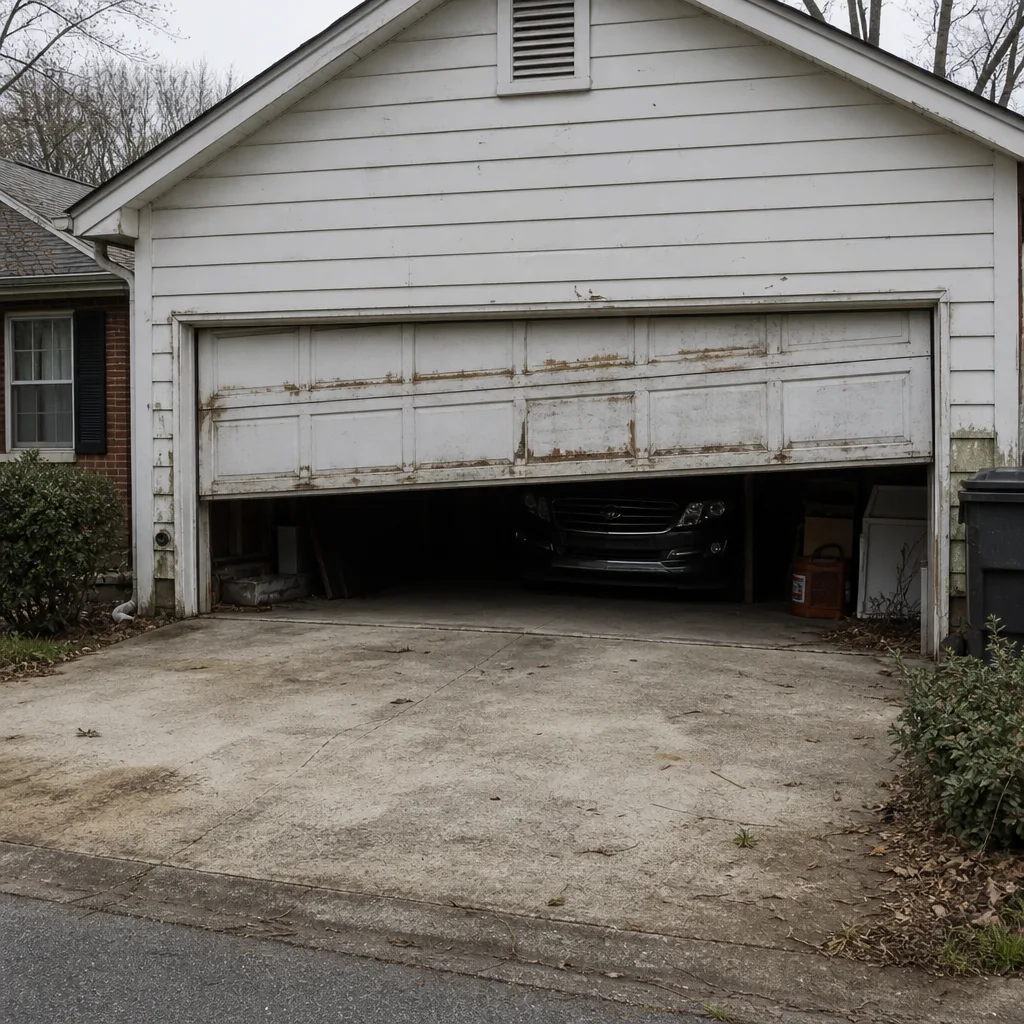 Before
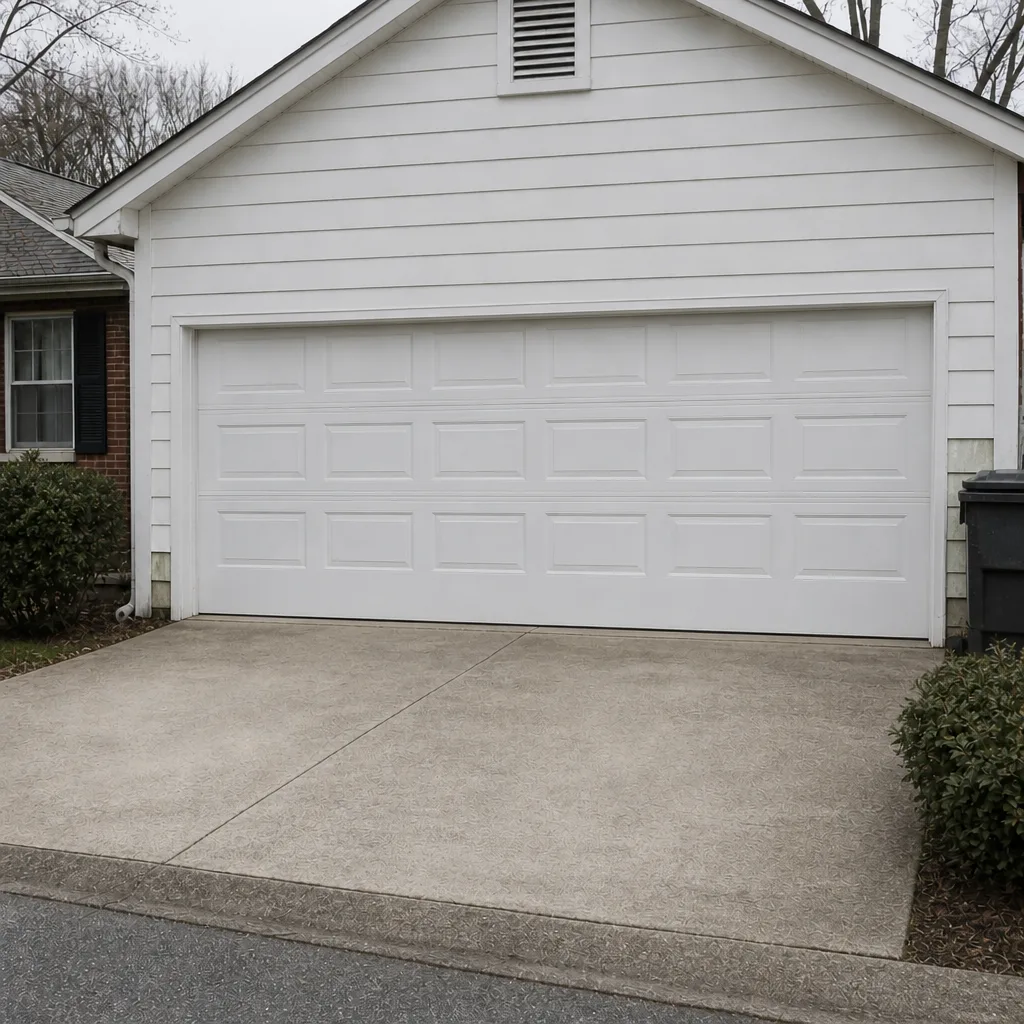 After
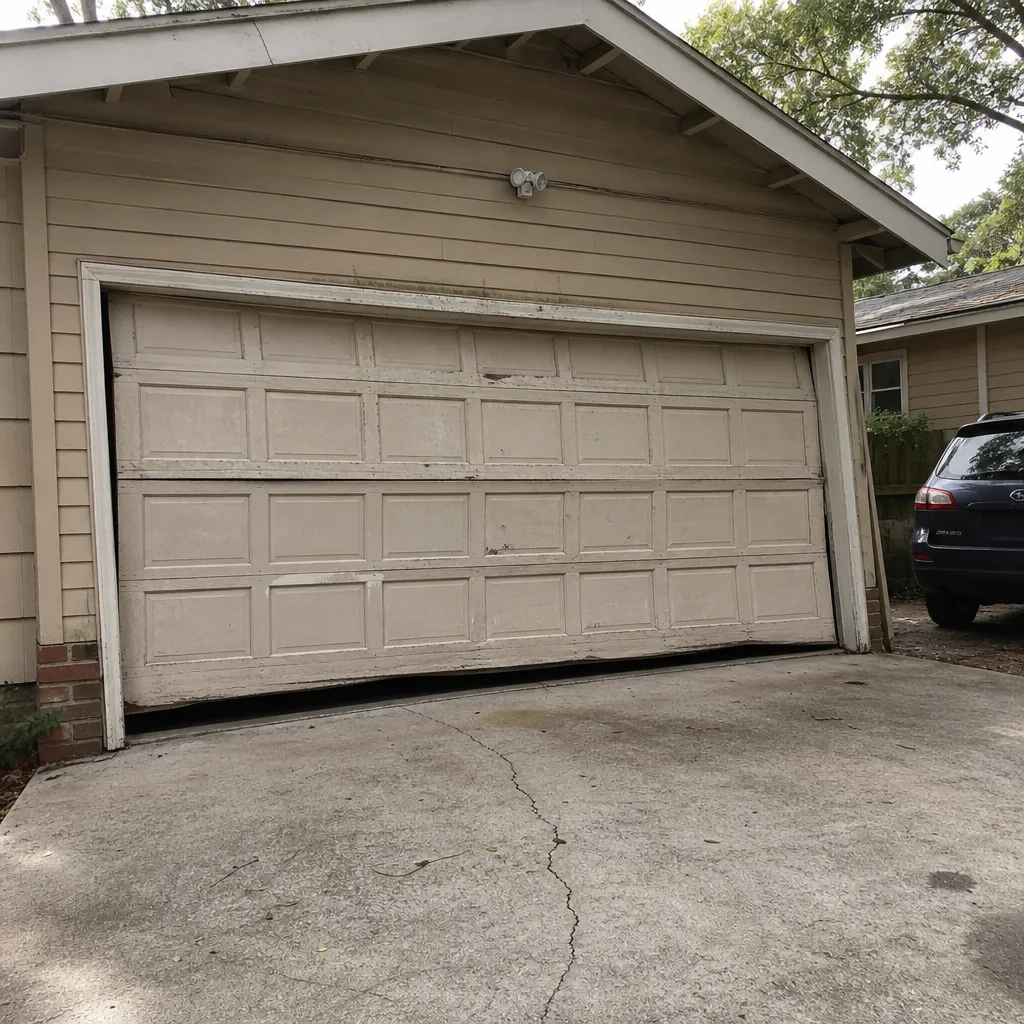 Before
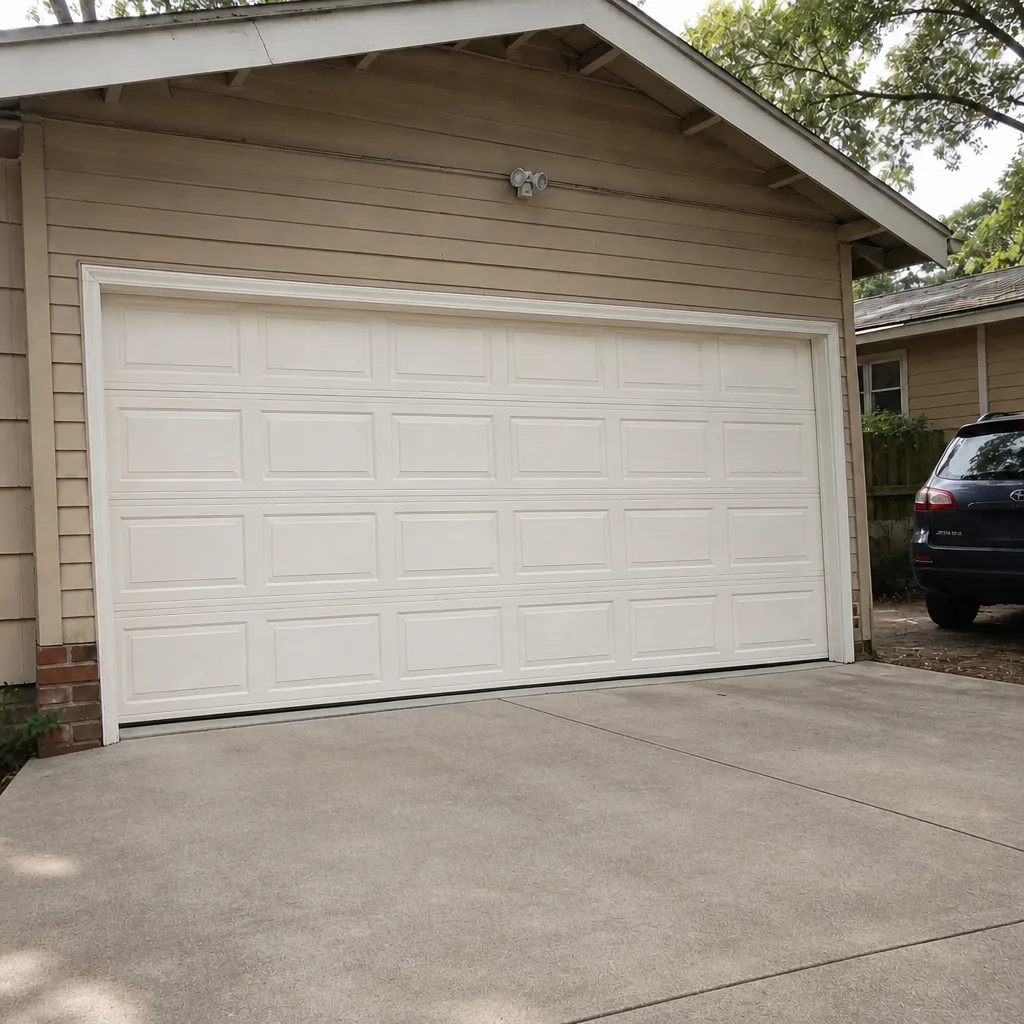 After
When to Call a Professional
Some seasonal maintenance you can do yourself. Other situations require a trained technician, and knowing the difference keeps you safe. Call us if any of these are true: the door binds, grinds, or scrapes during normal operation; the spring has lost obvious tension or sounds when the door moves; any cable is frayed, kinked, or shows stray strands; the door has come off its track; the opener runs but the door doesn’t move; the door is heavy to lift; or a photo-eye sensor won’t close the door after a clean wipe and re-alignment. Garage Door Repair Midtown offers free estimates in Midtown. Our technicians have up to 14 years of experience, and we work on the brand already in your garage. Call (833) 700-6163 to schedule a seasonal inspection or a repair.
Frequently Asked Questions
Once a year is enough for most Midtown doors, and the best month is October. The fall inspection catches summer heat wear before cold-weather cycling stresses the system further. Doors that are used heavily or are over a decade old benefit from a second check in late summer.
Yes, and it’s the biggest driver of wear in Midtown specifically. Humidity accelerates rust on hinges, swells wood panels, stiffens nylon rollers, and shortens the life of opener electronics. Improving garage ventilation is the single highest-value step a homeowner can take.
Heat expansion changes the gap between the track and the door, which is a clearance that has a set tolerance from installation. When steel tracks expand in an un-air-conditioned Midtown garage, that gap opens on one side and closes on the other. Closing enough to pinch the roller is what causes the door to bind mid-travel and what gets misdiagnosed as a spring problem.
Most likely the opener’s thermal cutoff, not a mechanical failure. Garage openers have duty cycle limits tied to ambient temperature, and a Midtown garage can hit temperatures that push an opener past its limit. If the door works again once the garage cools, the opener is doing what it’s designed to do. Improve ventilation first.
Clean the tracks with a dry cloth in spring. Pollen film inside the track increases roller drag and makes the door louder. Wipe the inside of both tracks, clean the safety sensor lenses, and use compressed air on the opener’s ventilation slots. Don’t apply oil to the tracks; that makes the problem worse.
You can look at it, but not touch it. A torsion spring stores enough tension to cause serious injury, and the tools and training to safely inspect or replace one aren’t standard homeowner equipment. Visual signs worth calling about: a visible gap in the spring coil, a door that lifts hard, or a loud snap followed by a door that won’t open. Anything beyond looking is a call to us at (833) 700-6163.
The Bottom Line
Midtown’s seasonal garage door cycle is a heat and humidity cycle, not a cold cycle. Late-summer track checks catch the failures most homeowners misdiagnose as spring problems. Fall spring and cable inspections catch wear from the summer heat. Winter maintenance centers on bottom seals and photo-eye lenses. Spring is for pollen cleaning. And year-round, garage ventilation does more for door longevity than any single task. If you’re unsure where your door stands, a free estimate from us is the fastest way to find out. Call (833) 700-6163 to book an inspection or repair, or visit our home page at Garage Door Repair Midtown.
Written by the team at Garage Door Repair Midtown.